






What Is The Difference Between Gold Jewellery 22K, 18K, 14K, & 10K?

What Is The Difference Between Gold Jewellery 22K, 18K, 14K, & 10K?
The pureness of gold jewelry extends only to 100% but it contains other metals mixed within its composition. Several gold alloys serve as the materials from which these pieces of jewelry are produced.
Gold alloys commonly use the term karat gold among specialists in the field. The actual meaning of this term remains undefined. This article will explain what gold karats represent along with the factors behind different karats becoming more popular and guidelines to pick the ideal karat grade for your upcoming jewelry purchase.
What Does “Karat” Mean in Gold?
The meaning of “karat” in gold terminology refers to the gold components. A gold karat represents a system used to identify the proportion of gold contained in gold alloys that mix metal substances with gold.
VISIT FOR :: is there a big difference between 10k and 14k gold
Within the karatage system every 24 parts represent the total weight of the entire gold material. Karatage refers to gold content within an alloy with gold parts named karats (sometimes written as kt or k). A higher quantity of gold indicates higher karat values until it reaches 24.
Therefore, if all 24 parts of an item are gold, then it’s 24 karats. If 23 parts are gold, but one part is made of other metals, it’s 23 karats. And so on, all the way down to 1 karat, which has only a single part gold to 23 parts other alloyed metals.
While karatages can technically be anywhere between 1 and 24, in practice, most fine jewelry falls into a few standardized karat ratings. In the United States, the four most well-known and common gold purity levels are 24k, 18k, 14k, and 10k gold.
The item receives a 24 karat rating when every one of its 24 parts consists of gold. An item containing 23 parts of gold and one section of another metal is measured at 23 karats. The purity rating decreases from 24 karat down to 1 karat where gold makes up only a single portion out of the total 23 parts.
Most fine jewelry pieces exist within a constrained range of four standardized karat values which exceeds 1 karat and falls below 24 karats. The United States commonly uses four specific gold purity standards that include 24k and 18k and 14k followed by 10k.
“Karat” or “Carat”?
We should cover karat gold grades after this brief clarification point concerning the spelling. You will find the word sometimes written as karat in America but it appears as carat in European territories. Gold purity is defined through the identical meanings of karat and carat under normal circumstances. The same words represent totally different meanings when applied in separate situations. Since carat functions as a measurement of gemstone weight especially when applied to diamonds it also determines the weight of precious stones.
VISIT FOR :: jewelry manufacturers texas
One carat diamond weighs a total of 0.007 ounces which equals 0.2 grams. A diamond of 2 carat weight requires a total weight of 0.014 ounces (0.4 grams) which represents twice as much as 1 carat weight diamonds. The gold purity measurement can be expressed as carats and the gemstone weight uses carats but karats should only provide information about the level of gold purity.
24 Karat Gold
Several factors restrict the use of 24k gold which represents the purest form of gold for jewelry applications across Western markets. This result stems from three main factors:
24k is Expensive
Precious metal gold ranks as a valuable commodity in the market.
Pure gold comes across as a dense weight-based metal product.
Higher purity and density due to its chemical composition cause natural gold to cost more than metal combinations that use financial fillers from lower density materials.
24k is a Soft Metal
Pure gold suffers from weakness in normal-use conditions because it easily dents and scratches and bends making it unfit for daily wear.
Additionally it is not suitable for engagement ring applications due to its excessive malleability that leads to diamond and gemstone instability during wear.
24k is Very Yellow
Many people view pure gold jewelry as too yellow since they normally prefer the fainter color that lower karat grades exhibit. Gold purchases in Asia and the Middle East differ from global trends because 24k yellow gold remains highly popular. In China, for instance, 24k gold jewelry outsells other gold karats. The main purpose of buying 24k jewelry in China exists for investment and gift giving purposes specifically for weddings and marriage events.
Pure gold bars have gained popularity across different nations because they represent a dependable asset since ancient times. The expression of pure gold and 24 Karat gold as well as fine gold get often mixed up in common usage but scientists have proven that total pure gold creation remains scientifically unreachable. Refiners can achieve maximum 99.9% gold content in a 24k alloy throughout the refining process.
22 Karat Gold
The 22k pure gold alloy establishes a level of resemblance to 24k pure gold while reaching a 91.6% purity grade. The durability of 8.4% other metals added to 22k gold raises its strength slightly yet the alloy remains soft and easy to deform and incapable of securely setting gemstones. Indian customers appreciate 22k jewelry because it brings together prestige value together with investment properties and religious practices and wedding meanings.
18 Karat Gold
Luxury standards for fine jewelry in Western nations identify 18k gold as their benchmark. The blend of 18k represents the purest grading level of gold since this alloy combines durability with wearability in daily life. Wedding rings along with engagement rings function best with 18k gold material. The highest amount of gold represents endless love thus it follows that engagement rings and wedding bands should contain maximum gold content.
14 Karat Gold
The alloy behind 14k gold consists of 58.3% pure gold which delivers both cost-effective benefits and durability properties. Despite having less purity than 18k gold content, 14k gold offers durability that makes it resistant to wear and allows it to securely hold gemstones better than softer gold alloys with higher karat values.
The majority of gold jewelry sales in the United States depend on 14k gold because it offers both a beautiful look and affordable cost. 14k jewelry provides buyers with extensive design options because merchants stock a broader spectrum of jewelry types due to its affordability.
What Karat Gold is Best?
Customers prefer 18k combined with 14k gold because they represent the top choices for wedding and engagement rings sold worldwide. People have maintained high esteem for these two precious alloys because they unite aesthetic appeal with superior shine attributes and long-lasting durability qualities.
While 24k gold stands as the most pure gold type it fails to be a popular jewelry option since it costs too much and requires too much maintenance. When buying 24k gold pieces it is advantageous to select larger and bulkier items to enhance longevity since smaller designs tend to deteriorate more easily.
The Difference Between 10K, 14K, 18K, & 24 Karat Gold
There are differences between 10K, 14K, 18K, and 24K gold. It helps you make informed decisions. Let's explore the key distinctions between these gold types.
Understanding Karats
Karats measure gold purity. Pure gold is 24K. Lower karat numbers mean more alloy metals. Higher karat numbers mean more pure gold. This affects the gold's color, durability, and price.
What Is 10K Gold?
10K gold contains 41.7% pure gold. It includes 58.3% other metals. These metals add strength and durability. It may cause allergic reactions due to higher alloy content.
What Is 14K Gold?
14K gold contains 58.3% pure gold. It includes 41.7% other metals. These metals provide strength and durability.
VISIT FOR :: Custom Jewelry
What Is 18K Gold?
18K gold contains 75% pure gold. It includes 25% other metals. These metals add durability. 18K gold is more expensive than 14K gold. It has a deep yellow color. It is softer than lower karat gold.
What Is 24K Gold?
24K gold is pure gold. It contains 99.9% gold. It has no alloy metals. 24K gold is very soft. It is bright yellow in color. It is the most expensive type of gold. It is not suitable for everyday wear. It is often used in investment and ceremonial pieces.
10K Gold vs 14K Gold vs 18K Gold vs 24K Gold
Comparing Durability
Lower karat gold is more durable. 10K gold is the hardest. It is ideal for everyday wear. 14K gold is also durable. It balances strength and purity. 18K gold is softer but still durable. It is suitable for special occasions. 24K gold is the softest. It is not practical for everyday wear.
Comparing Color
Gold color varies with purity. 10K gold is pale yellow. 14K gold is a richer yellow. 18K gold has a deep yellow hue. 24K gold is bright yellow. Alloy metals influence color. Copper adds a reddish tint. Nickel and palladium make white gold. The choice of color depends on personal preference.
Comparing Price
Price varies with gold content. 10K gold is the cheapest. Your budget influences your choice. Higher karat gold is a long-term investment. Lower karat gold is budget-friendly.
Evaluating Allergies
Allergies depend on alloy metals. Nickel is a common allergen. 10K gold has the highest risk. 14K and 18K gold are safer. 24K gold rarely causes allergies. Know your sensitivities. Choose accordingly.
Considering Maintenance
Higher karat gold needs more care. 24K gold is very delicate. It requires gentle handling. 18K and 14K gold are easier to maintain. 10K gold needs minimal care. Regular cleaning keeps gold shiny. Store jewelry properly. Avoid harsh chemicals.
Understanding Common Uses
10K gold is practical for daily wear. It is often used in rings and bracelets. 14K gold is common in engagement rings and pendants. 18K gold is popular in high-end pieces. It is ideal for special occasions. 24K gold is used in investment and ceremonial items. It is less common in everyday jewelry.
Weighing Pros and Cons
Each karat has pros and cons. 10K gold is durable but less valuable. 14K gold balances affordability and purity. 18K gold is luxurious but more expensive. 24K gold is pure but impractical. Consider your needs and preferences. Make an informed choice.
VISIT FOR :: Which Hand To Wear Crystal Bracelet – Left Or Right Wrist?
Considering Investment Value
Gold is a valuable investment. Higher karat gold holds more value. 24K gold is ideal for investment. It has the highest gold content. 18K and 14K gold are also valuable. They balance gold content and durability. 10K gold has less investment value. It contains less pure gold.
Understanding Cultural Significance
Gold has cultural significance. 24K gold is prized in many cultures. It symbolizes wealth and purity. 18K gold is common in luxury items. 14K and 10K gold are popular in Western jewelry. They balance tradition and practicality. Cultural preferences influence your choice.
Evaluating Market Trends
Gold market trends affect value. Rising gold prices increase jewelry worth. Monitor trends over time. Buy or sell when prices are favorable. Stay informed about market news. Understand factors influencing gold prices. Use this knowledge to time your purchase or sale effectively.
Recognizing Gold Hallmarks
Hallmarks indicate gold purity. 10K gold is marked 417. 14K gold is marked 585. 18K gold is marked 750. 24K gold is marked 999. These marks ensure authenticity. Look for hallmarks when buying gold. They guarantee quality and purity.
Considering Environmental Impact
Gold mining affects the environment. It can cause pollution and habitat destruction. Consider the environmental impact. Choose gold from responsible sources. Look for ethical and sustainable practices. Support sellers who care about the environment.
Final Thoughts
10K, 14K, 18K, and 20K are all different. This is the difference between all of them. Think about maintenance, personal preference, and investment value. Stay informed about market trends and legal standards. Choose gold that suits your needs and preferences. This is how you can choose between different types of gold.
What Is Gold Purity and How Is It Measured? Comparing 24K, 22K, 18K, 14K, 12K and 10K Gold
Are you curious about what is gold purity and how is it measured? Well, you aren’t the only one. The most precious metals that can be commonly bought and used, it is widely popular among people.
Whenever you are buying gold or considering doing so, there is one thing that confuses a lot of people, it is gold karats, also denoted as K. So, what is gold carat? And what is the difference between 24K, 22K, 18K, 14K, 12K, AND 10K Gold?
Well, if these are the questions that you are looking to answer, this blog is for you. Here, we shall be discussing all you need to know about gold purity, how it’s measured, and the difference between different karats. Let’s get right into it:
Understanding Gold Purity
Let’s answer the most important question first, what is gold purity? Well, the term “Gold purity”, often referred to as fineness, is a measure of how much pure gold is contained in an alloy. And the purity is in karats (K) or as a percentage. As a general rule, the more the Karat is, the purer gold will be. The maximum purity you can get in gold is no more than 99.9%.
And there is a good reason behind it: in its 100% pure state gold cannot be used in day-to-day wear, thus, leading to use of other materials with it to form an alloy. This makes it more durable and wearable.
Now, it’s time to answer another question, what is the difference between 24K, 22K, 18K, 14K, 12K, AND 10K gold? We shall answer just that, in the section below.
Visit for :- bangle manufacturers in india
Comparing 24K, 22K, 18K, 14K, 12K, AND 10K Gold
Are you confused between different karats of gold? Well, it is a common practice for people who buy and sell gold ornaments. For instance, let’s start with the purest state of gold:
1. 24K Gold (99.9% Pure Gold)
24K gold is the purest form of the metal, standing at 99.9%. When it comes to this precious metal, it doesn’t get any better than this, thus leading to the name, “pure gold”. However, one of the downsides of 24K gold is, it is extremely soft and malleable. And because of that, it is not suitable for everyday jewelry due to its lack of durability. But it is used to make coins or bars which are mainly used for investment purposes. This is the least common type of gold that you can find.
2. 22K Gold (91.6% Pure Gold)
This is the second purest and something that is more commonly used in India to make jewelry. It is known as 22 K, since it contains 22 parts gold and 2 parts other metals (typically copper and silver) to enhance strength. Moreover, it is 22K karat of gold that possesses the distinct bright yellow color that we are all so fond of. In addition to good looks and its purity, it’s also actually durable thanks to it being an alloy.
3. 18K Gold (75% Pure Gold)
18K gold is more commonly used at 75% purity to make high-quality jewelers. Partly because it is much more affordable than the previous two options. Since it comprises 18 parts gold and 6 parts other metals, this form of gold offers a balance between purity and durability.
4. 14K Gold (58.3% Pure Gold)
You must have heard a lot of people ask how much is a 14K gold worth? Well, that is because this 14 parts gold and 10 parts other metal alloy is more commonly used to make wedding bands and other fine jewelry. In fact, this is the gold that is suggested for daily wear since it is highly durable.
5. 12K Gold (50% Pure Gold)
This is the type of gold which is often also known as Rose gold, due to its pinkish hue. As you can see, it is only 50% gold. i.e., it comprises 12 parts gold and 12 parts other metals. Due to its low purity it was rarely used for jewelry making traditionally, but the pink hue is growing more in trend these days.
6. 10K Gold (41.7% Pure Gold)
Lastly we have 10k gold, which is 10 parts gold and 14 parts other metals. This is the lowest alloy of gold that you can find in. And again, it is used to make jeweler or particular sort. Also mainly due to the fact that this form of gold is highly durable. So, this is how all the different karat types of gold compare to each other.
How Gold Purity is Measured?
Don’t know the purity of your gold ornament or what karat it is? Well, there are actually few tests which help you determine the purity of gold. In this section of the blog, we shall be looking at these three tests, starting with:
Visit For:- jewelry manufacturer in india
1. Acid Testing
The first one is acid testing. As the name suggests, this form of gold purity testing involves nitric acid. The acid is applied to the gold and then the reaction is observed. The higher karat the gold is, the lesser and slower it will react to the acid. On the other hand, lower karat will react more. It is a simple test with low accuracy.
2. X-Ray Fluorescence (XRF)
As one might assume from the name, this is a rather advanced form of gold karat or gold purity test. There is a machine called XRF machines that use X-ray technology to analyze the composition of gold without damaging the item. Moreover, It provides precise measurements of gold purity. The best part is, unlike acid testing, there is no damage to the material and results are also more accurate.
3. Fire Assay
Lastly, we have the oldest way of testing gold purity, called fire assay. And let us tell you, it is highly accurate. Here a sample of gold is melted and chemically analyzed to determine its purity. So, these are the different tests which can be used to test gold purity.
Conclusion
Gold purity is a fundamental aspect of the precious metal that influences its value, appearance, and durability. In India, where gold holds immense cultural and economic importance, understanding the differences between 24K, 22K, 18K, 14K, 12K, and 10K gold is essential.
READ MORE:- How Much Is 14 Mg Of Gold Worth?
What Is the Difference Between Gold Jewellery 22K, 18K, 14K, & 10K?
Gold jewelry is popular. 22K, 18K, 14K, and 10K are all different. They refer to the gold's purity. Knowing the difference is important. It helps you make informed decisions. Let's explore each type.
Understanding Karats
Karats are gold purity. It is a measure of purity. Mixing gold with other metals creates stronger alloys. The number before the 'K' indicates the proportion of gold. Higher numbers signify more gold content. Lower numbers indicate a higher presence of other metals.
22K Gold Jewellery
22K gold has high purity. It contains 91.7% gold. It includes 8.3% other metals. These metals add strength.. It is bright and yellow. It is popular in countries like India. It is ideal for special occasions. It may scratch or bend easily. It is not best for everyday wear.
VISIT FOR :: Custom Jewelry
18K Gold Jewellery
18K gold is common in fine jewelry. It has 75% gold. It includes 25% other metals. These metals make it durable. It is less yellow than 22K gold. It has a balanced look. It offers a good mix of purity and strength. It is less prone to scratches. It is suitable for daily wear.
14K Gold Jewellery
14K gold is popular in many countries. It contains 58.3% gold. It has 41.7% other metals. It is stronger than 18K gold. It is less yellow. It has a subtle shine. It is more affordable than 18K gold. It is a practical choice for jewelry. It is durable for everyday use. It resists scratches and dents. It is ideal for rings and bracelets.
10K Gold Jewellery
10K gold has the lowest gold content. It contains 41.7% gold. It includes 58.3% other metals. It is very durable. It is less yellow than higher karat gold. It is the most affordable option. It is perfect for budget-friendly jewelry.
10L vs 14K vs 18K vs 22K
Comparing Durability
Higher karat gold is softer. It is more prone to scratches. Lower karat gold is harder. It is more resistant to damage. 22K gold is the softest. 10K gold is the hardest. Durability depends on your lifestyle. Choose based on how often you wear it.
Considering Price
Price varies with gold content. 22K gold is the most expensive. 18K gold is less expensive. 14K gold is more affordable. 10K gold is the cheapest. Your budget influences your choice. Higher karat gold is an investment. Lower karat gold is budget-friendly.
Examining Color
Gold color changes with purity. 22K gold is bright yellow. 18K gold is slightly lighter. 14K gold is even lighter. 10K gold has a pale yellow hue. Alloy metals affect color. Rose gold and white gold are examples. Rose gold includes copper. White gold includes palladium or nickel.
Assessing Allergies
Assessing Allergies Allergies are an important consideration. Lower karat gold may cause allergic reactions. This is due to the higher content of alloy metals. Nickel is a common allergen found in some gold alloys. 10K gold has the highest risk of causing allergies. It contains more alloy metals.
Evaluating Maintenance
Higher karat gold needs more care. 22K gold is delicate. It requires gentle handling. 18K and 14K gold are easier to maintain. 10K gold needs minimal care. Regular cleaning keeps it shiny. Store jewelry properly. Avoid harsh chemicals.
Choosing Based on Occasion
Occasion influences your choice of gold jewelry. Special occasions call for high karat gold. 18K gold is ideal for engagements and special gifts. It offers a beautiful balance of purity and durability. 14K gold is great for everyday wear. It is practical and strong.
VISIT FOR :: Which Hand To Wear Crystal Bracelet – Left Or Right Wrist?
Weighing Pros and Cons
Each karat has pros and cons. 22K gold is beautiful but soft. 18K gold is luxurious but less affordable. 14K gold is practical but less pure. 10K gold is durable but less valuable. Consider your priorities. Make an informed choice.
Personal Preference
Your taste matters. Some prefer bright 22K gold. Others like the subtlety of 14K gold. Think about your style. Choose what you love.
Historical and Cultural Significance
Gold has historical and cultural significance. Different karats are favored in various cultures. 22K gold is traditional in many Asian countries. It symbolizes wealth and purity. 18K and 14K gold are popular in Western countries. They are seen as luxurious yet practical. 10K gold is common in North America. It offers affordability and durability. Understanding these cultural preferences can guide your choice. It adds a layer of meaning to your jewelry.
Ethical Considerations
Consider the ethical aspects of gold mining and production. Look for ethically sourced gold. This supports responsible mining practices. It reduces environmental impact. Recycled gold is another option. It uses existing gold, reducing the need for new mining. Ethical jewelry choices contribute to a better world. They ensure your jewelry is beautiful inside and out.
Final Thoughts
Consider durability, price, color, allergies, and maintenance. Think about the occasion and your personal preferences. Choose the right gold for you. It offers practical advice for making a choice. Gold jewelry is timeless.
Recent Posts
 -65%
-65%
14K Yellow Gold 12 MM Chain Thikness Paperclip Chain Necklace Custom Jewelry
 -60%
-60%
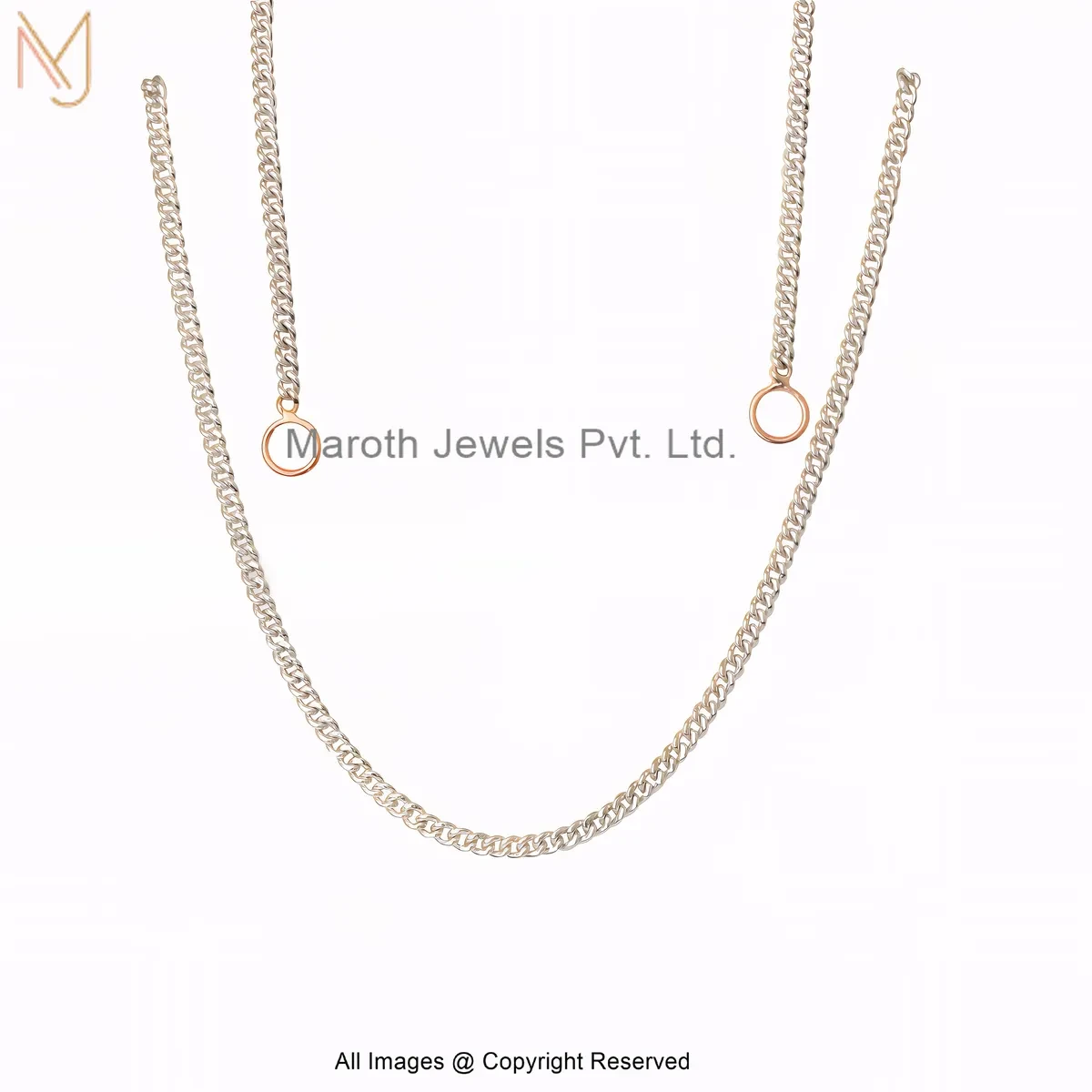 -60%
-60%
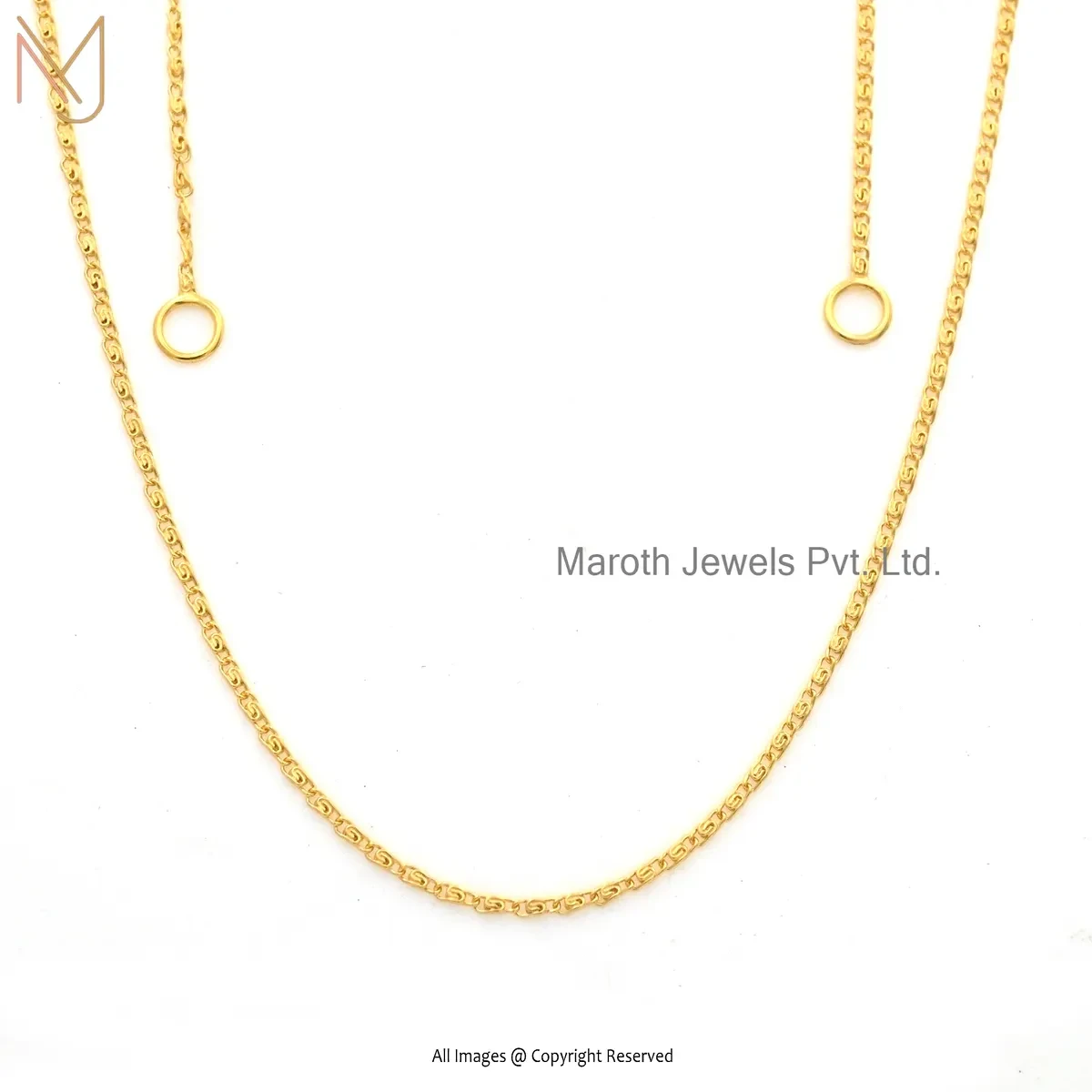 -60%
-60%
925 Silver Yellow Gold Plated Rolo Chain Necklace Jewelry Supplier
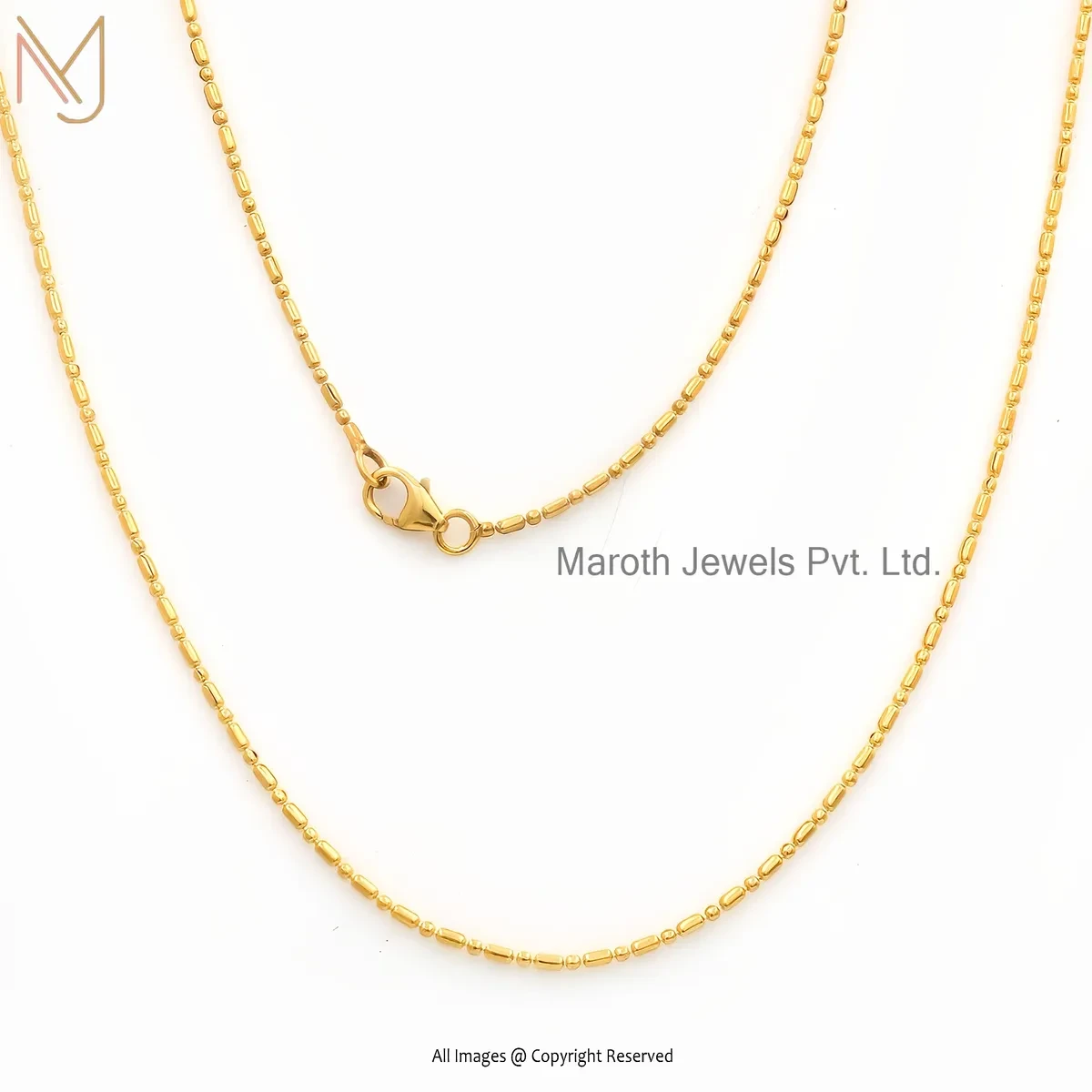
Wholesale 14K Yellow Gold Two-Tone Link Charm Chain Necklace Jewelry
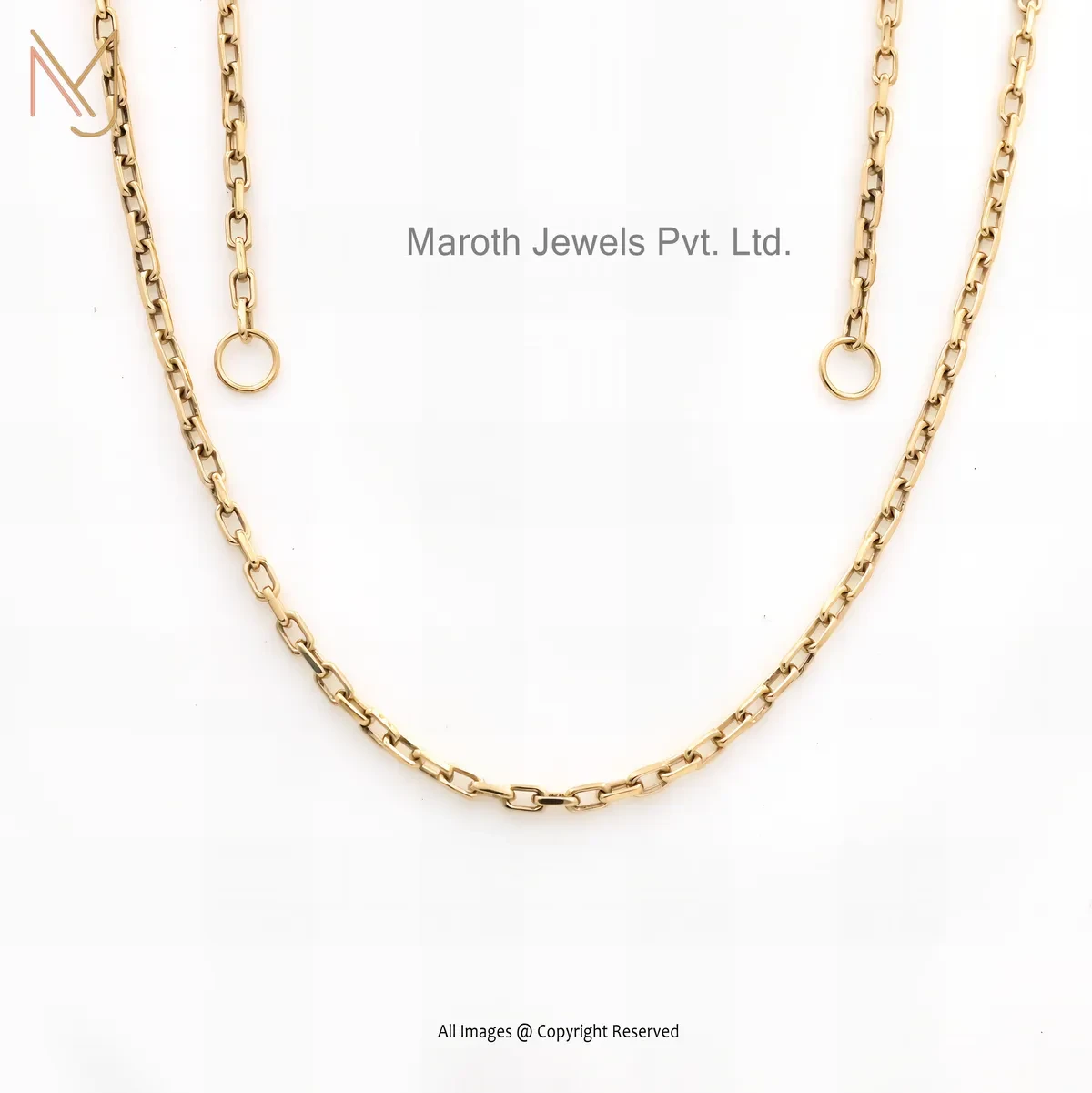 -65%
-65%
14K Yellow Gold Thin Chain Necklace Custom Jewelry
-60%
925 Silver Yellow Gold Plated Thin Chain Necklace Custom Jewelry
 -65%
-65%
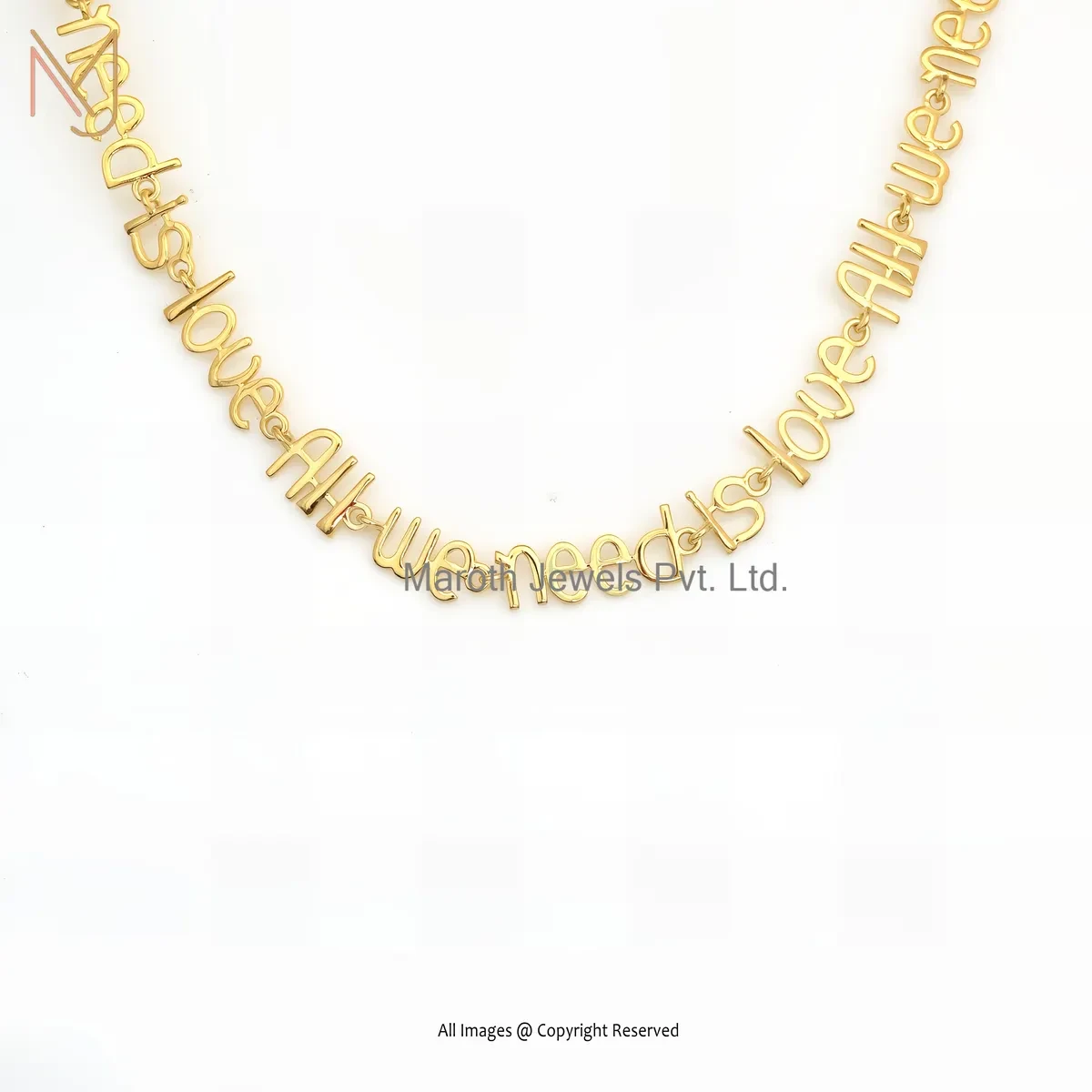
Private Lable 14K Yellow Gold Minimalist Alphabet Letter Charm Chain Necklace Jewelry
-60%
-65%
14K Yellow Gold 12 MM Chain Thikness Paperclip Chain Necklace Custom Jewelry
-60%
-60%
-60%
925 Silver Yellow Gold Plated Rolo Chain Necklace Jewelry Supplier
Wholesale 14K Yellow Gold Two-Tone Link Charm Chain Necklace Jewelry
-65%
14K Yellow Gold Thin Chain Necklace Custom Jewelry
-60%
925 Silver Yellow Gold Plated Thin Chain Necklace Custom Jewelry
-65%
Private Lable 14K Yellow Gold Minimalist Alphabet Letter Charm Chain Necklace Jewelry
-60%
Contact Us For Custom Jewelry
Please get in touch with us and share your ideas if you have personalized jewelry or are searching for a private label jewelry manufacturer. In accordance with your suggestions, we will make and present genuine jewelry.
B2B Jewelry Manufacturer for Global Brands
Share your design, metal, plating, gemstone, and quantity requirements for a custom manufacturing quotation. We work in sterling silver and solid gold, including precious, semi-precious, lab diamond, and genuine diamond jewelry.