


Top 30 Anti-Tarnish Jewellery Manufacturers for Europe from India
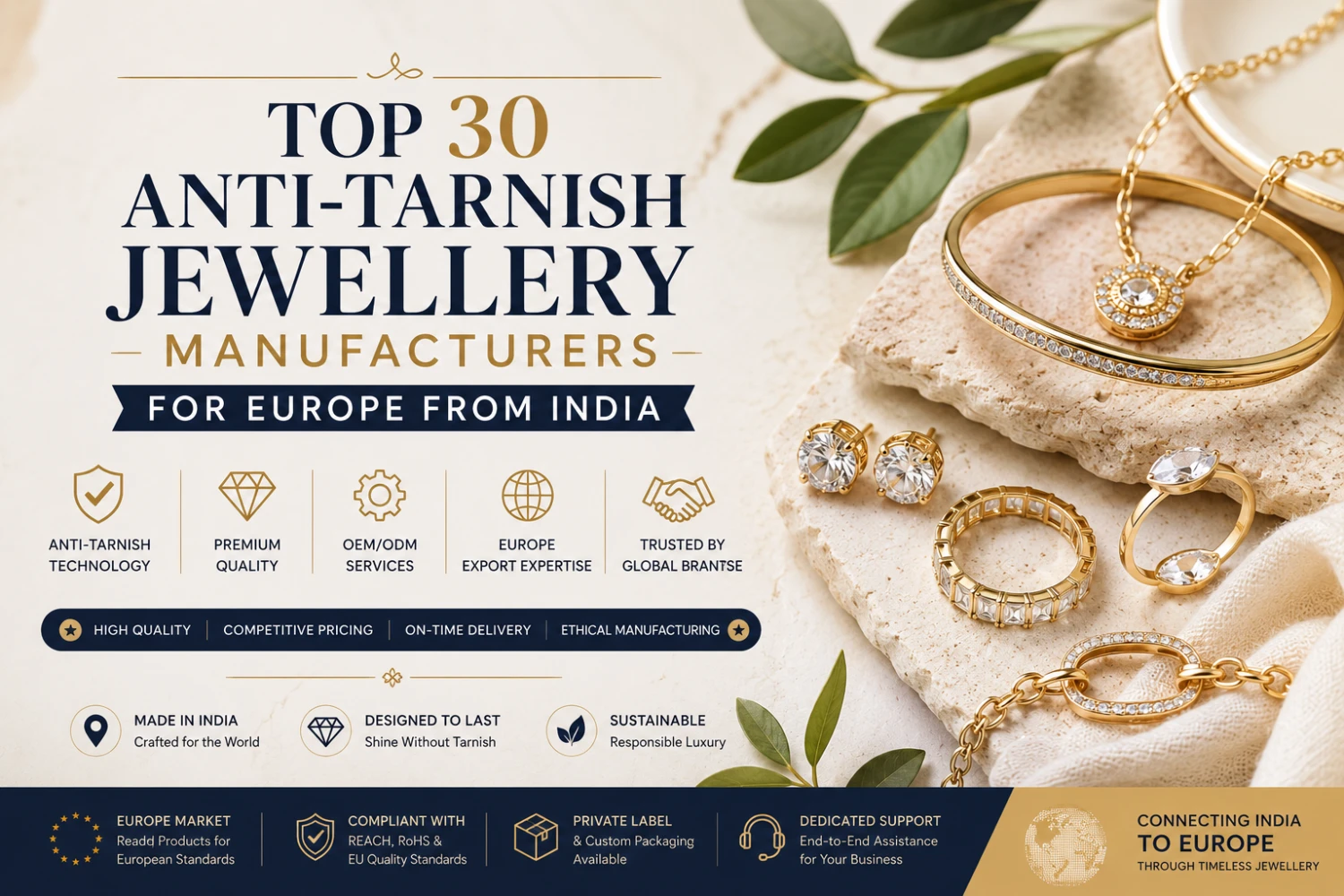
Top 30 Anti-Tarnish Jewellery Manufacturers for Europe from India (2026 Buyer's Guide)
If you run a jewellery brand, boutique, or e-commerce store anywhere in Europe whether that's a Shopify label in Berlin, a concept store in Paris, a marketplace business in Amsterdam, or a high-street boutique in London you've probably noticed the same thing your customers have: nobody wants jewellery that turns green, fades, or loses its shine after two weeks.
That's why "anti-tarnish," "waterproof," and "tarnish-free" have become the fastest-growing search terms in the fashion and demi-fine jewellery category across Europe. Shoppers in 2026 expect everyday jewellery they can shower in, sweat in, and wear on holiday in Spain without watching it discolour. And they expect it at accessible price points.
The challenge for European buyers isn't demand it's supply. Finding a manufacturer who can deliver genuinely tarnish-resistant jewellery (not just a marketing label), comply with strict EU regulations like REACH and the Nickel Release Directive, handle private labelling, and ship reliably to Europe at workable MOQs is hard. China dominates volume, but India has quietly become the smarter sourcing destination for brands that want craftsmanship, customisation, English-speaking communication, ethical manufacturing, and genuine quality control at prices that protect your margins.
This guide does the heavy lifting for you. We've compiled the top 30 anti-tarnish jewellery manufacturers in India serving European buyers, explained exactly what "anti-tarnish" should mean when you're vetting a supplier, broken down the EU compliance rules your manufacturer must meet, and included a practical sourcing checklist plus FAQs at the end.
Let's start with why India and then get straight into the list.
Why European Brands Are Sourcing Anti-Tarnish Jewellery from India?
India is one of the world's largest jewellery manufacturing and exporting nations, and its gems and jewellery industry is a major global supplier to both Europe and North America. But beyond the headline numbers, here's why India specifically makes sense for anti-tarnish and demi-fine jewellery destined for European markets:
1. Generational craftsmanship meets modern technology
Indian jewellery hubs Jaipur, Mumbai, Rajkot, Delhi NCR, and Surat combine centuries-old artisan skill (stone setting, hand polishing, enamel work, intricate metalwork) with modern capabilities like CAD/CAM design, laser soldering, PVD coating, and e-coating lines. For European brands, that means you can get both trend-led minimalist pieces and statement artisan jewellery from the same country, often from the same city.
2. Genuine material quality at competitive pricing
European consumers increasingly reject hollow "fashion jewellery" that's effectively disposable. India's manufacturing base is strong in exactly the materials that define the anti-tarnish category:
925 sterling silver with rhodium or thick gold plating (vermeil)
316L stainless steel with PVD gold coating
Brass with multi-layer 18k gold plating and e-coat protection
14k/18k solid gold demi-fine pieces for premium lines
Labour and production costs in India remain significantly lower than in Europe, while quality on properly specified orders rivals far more expensive suppliers in Italy or Thailand.
3. Lower MOQs and real customisation
Chinese mega-factories often demand high minimums per design. Many Indian manufacturers especially Jaipur-based exporters like Maroth Jewels accept lower MOQs, support private label and white label programmes, and will develop custom designs from a sketch, reference photo, or CAD file. For small and mid-sized European brands, that flexibility is the difference between testing 20 designs and betting everything on 3.
4. English-language communication and export experience
India's export houses work in English by default, operate with European time-zone overlap, and are experienced with EU documentation: commercial invoices, certificates of origin, REACH declarations, and customs paperwork for the EU and UK.
5. Ethical and compliance advantages
European buyers face increasing scrutiny on supply chains. Established Indian manufacturer-exporters operate under the Gem & Jewellery Export Promotion Council (GJEPC) ecosystem, and many hold certifications such as ISO 9001, SEDEX/SMETA audits, or RJC (Responsible Jewellery Council) membership documentation your EU retail partners and conscious consumers increasingly ask for.
6. Trade momentum between India and Europe
Trade ties between India, the UK, and the EU continue to deepen including the India–UK trade agreement that is expected to significantly boost India's gems and jewellery exports to Britain. For European buyers, that translates into smoother trade lanes, more competitive landed costs, and a growing number of Indian suppliers structured specifically to serve Europe.
What "Anti-Tarnish" Actually Means (And What to Demand From a Manufacturer)
Here's an uncomfortable truth about this category: "anti-tarnish" is a marketing term, not a regulated standard. Any supplier can put it in a product title. What separates a genuine anti-tarnish manufacturer from a relabeller is the engineering underneath the word. Before you evaluate any of the 30 companies below, understand the five technical approaches and ask every potential supplier which ones they actually use.
1. Base metal choice: where tarnish resistance starts
316L stainless steel Naturally corrosion-resistant, hypoallergenic for most wearers, and the backbone of the "waterproof jewellery" trend in Europe. It doesn't tarnish in the way brass or silver does, making it the safest base for everyday-wear claims.
925 sterling silver Beautiful, premium, and the European consumer's preferred precious metal for demi-fine but raw silver does tarnish (it reacts with sulphur in the air). Anti-tarnish silver jewellery therefore needs rhodium plating, e-coating, or alloy treatment.
Brass / copper alloys The most affordable base, but the most tarnish-prone. Only acceptable with thick plating plus a protective top coat.
Solid gold (9k/14k/18k) Doesn't tarnish meaningfully at 14k and above. The premium end of the anti-tarnish promise.
2. PVD coating (Physical Vapour Deposition)
PVD bonds a metal coating (usually gold-tone titanium nitride or real gold) to stainless steel at a molecular level in a vacuum chamber. It is dramatically more durable than traditional electroplating often lasting years of daily wear and it's the technology behind most successful European waterproof jewellery brands. If a manufacturer offers PVD on 316L steel, they're serious about this category.
3. Thick gold plating and vermeil measured in microns
Standard fashion plating is often 0.1–0.3 microns and wears off within weeks. Genuine anti-tarnish plating should be specified:
1 micron+ for quality gold-plated brass
2.5 microns+ of gold over 925 silver to legally qualify as vermeil in most markets
Ask for the micron thickness in writing on your purchase order a professional manufacturer will commit to it; a trader will dodge the question.
4. E-coating / nano-coating (the invisible shield)
Electrophoretic lacquer ("e-coat") or nano-ceramic coatings add a transparent protective layer over the plating, sealing it against sweat, perfume, humidity, and oxidation. This is what allows brands to confidently market "tarnish-free" and "water-resistant." Leading Indian suppliers increasingly invest in nano-coating R&D and salt-spray testing to validate durability.
5. Rhodium plating for silver
Rhodium a platinum-group metal gives sterling silver a bright white, mirror finish that simply does not tarnish. For white-metal anti-tarnish lines aimed at European tastes (think Scandinavian minimalism), rhodium-plated 925 silver is the gold standard.
Buyer's rule of thumb: A genuine anti-tarnish manufacturer can show you (a) the base metal spec, (b) the coating type and micron thickness, and (c) test evidence typically salt-spray testing (e.g., ISO 9227), accelerated tarnish testing, or coating thickness reports (XRF). If a supplier can't produce any of the three, the "anti-tarnish" in their product title is just a keyword.
EU & UK Compliance: The Section Most "Top Manufacturer" Lists Skip
This is where sourcing for Europe is genuinely different from sourcing for the US, the Middle East, or domestic Indian retail and where an inexperienced supplier can get your shipment seized or your brand fined. Any manufacturer on your shortlist must understand and document the following:
REACH Regulation (EC 1907/2006)
REACH restricts hazardous substances in products sold in the EU. For jewellery, the critical restrictions are:
Nickel release Jewellery in prolonged skin contact must not release more than 0.5 µg/cm²/week (and 0.2 µg/cm²/week for post assemblies like earring posts), tested per EN 1811. This is the single most common reason fashion jewellery fails EU customs checks or market surveillance.
Lead Restricted to below 0.05% by weight in jewellery articles.
Cadmium Restricted to below 0.01% by weight in metal parts. Cadmium contamination is common in cheap solder and recycled brass a major risk with low-grade suppliers.
Ask every manufacturer for REACH compliance declarations and third-party test reports (SGS, TÜV, Intertek, or Bureau Veritas) for the actual alloys and platings they'll use on your order not a generic certificate from 2019.
UK requirements post-Brexit
The UK retains parallel restrictions under UK REACH, and the UK has strict hallmarking laws: articles described as gold, silver, platinum, or palladium above certain weight thresholds must be hallmarked by a UK Assay Office before sale (e.g., silver articles over 7.78g). If you sell vermeil or solid gold in the UK, your supply chain needs to account for assay and hallmarking experienced exporters will know this; amateurs won't.
EU hallmarking and national rules
Hallmarking rules vary by EU member state countries like France, Ireland, the Netherlands, and Poland have their own conventions for precious metal articles. A Europe-experienced Indian manufacturer will declare metal fineness accurately (925 for sterling, 585 for 14k, 750 for 18k) and supply the documentation your importer or assay office requires.
Documentation a Europe-ready manufacturer should provide
REACH declaration + nickel release (EN 1811) test reports
Lead/cadmium test reports for base metals and solders
Material composition sheets per SKU
Certificate of Origin (often enabling preferential treatment under applicable trade arrangements)
Commercial invoice + packing list formatted for EU customs
Care instructions and labelling support in line with EU consumer law
Why this matters for ranking a "top 30" list: plenty of directories list hundreds of Indian anti-tarnish suppliers. Very few of those suppliers can pass an EN 1811 nickel test or produce a cadmium report. The list below prioritises manufacturers with genuine export infrastructure and we still recommend you independently verify compliance for every order. Treat the list as a vetted starting point, not a substitute for due diligence.
How We Selected These 30 Manufacturers (Methodology)?
To keep this list useful rather than promotional, we assessed manufacturers and exporter-wholesalers against six criteria:
Export orientation demonstrated experience shipping internationally, with Europe-relevant capability (documentation, communication, currency handling).
Anti-tarnish capability actual production in tarnish-resistant materials and coatings (316L steel, rhodium-plated 925 silver, PVD, e-coat, vermeil) rather than only raw brass fashion jewellery.
Customisation & private label ability to produce your designs under your brand, since most European buyers reading this are building labels, not reselling generic stock.
Manufacturing depth in-house production (casting, plating, polishing, QC) preferred over pure trading operations.
Reputation signals years in operation, verified buyer reviews, GJEPC/industry presence, and B2B platform track records.
Cluster strength we drew from India's proven jewellery manufacturing clusters: Jaipur (silver, gemstone, demi-fine), Mumbai (fine and fashion exports), Rajkot/Gujarat (imitation and stainless steel), Delhi NCR(contemporary export designs), and South India (gold and fashion jewellery).
The Top 30 Anti-Tarnish Jewellery Manufacturers for Europe from India
1. Maroth Jewels Pvt. Ltd. Jaipur, Rajasthan ⭐ Editor's Pick for European Brands
Best for: Private label demi-fine and anti-tarnish jewellery 925 sterling silver, 9k/14k/18k gold, vermeil, and gemstone jewellery for European brands, designers, and boutiques.
Established in 2010 in Jaipur India's silver and gemstone jewellery capital Maroth Jewels is a vertically integrated manufacturer producing custom and private label jewellery for brands across Europe, the UK, the USA, and beyond. Everything happens in-house: CAD design, casting, stone setting, polishing, plating, and quality control. That vertical integration is exactly what the anti-tarnish category demands, because tarnish resistance is won or lost at the plating and finishing stage the stage trading companies can't control.
Why European buyers choose Maroth Jewels:
True anti-tarnish engineering: rhodium-plated 925 silver, thick-micron gold plating and vermeil, and protective top-coating with plating specifications committed in writing.
Low MOQs and design flexibility: ideal for European start-up labels and boutique brands that want to test collections without warehouse-scale commitments. Custom pieces can be developed from a sketch, photo, or CAD file.
Private label / white label programmes: your branding, your packaging, your story manufactured quietly and reliably in Jaipur.
Compliance-ready exports: material composition documentation, nickel-safe alloy options, and full export paperwork for EU and UK customs.
15+ years of manufacturing experience and 10,000+ designs spanning minimalist European styles, gemstone jewellery, pavé diamond work, and statement pieces.
Direct factory pricing: no trading-house margin between you and the workshop.
Get a quote: www.marothjewels.com · sales@marothjewels.com
2. Derewala Industries Ltd.
One of India's largest and most established jewellery manufacturer-exporters, founded in 1986. Derewala produces gold, silver, fashion, and bonded-metal jewellery at serious scale, with long experience supplying international retail chains. A strong option for European buyers with high-volume programmes who need industrial capacity and consistent plating quality.
3. Vaibhav Global Ltd.
A publicly listed, vertically integrated fashion and silver jewellery giant with deep electronic-retail and e-commerce supply experience in Western markets, including the UK. Their scale, compliance systems, and value-price engineering suit volume-driven European retailers.
4. DWS Jewellery Pvt. Ltd.
A well-known Jaipur manufacturer of 925 sterling silver, gold-plated, and gemstone jewellery with an extensive export catalogue and active content presence for international wholesale buyers. Good breadth across silver anti-tarnish finishes and gemstone-set designs.
5. Chordia Jewels
A Rajasthan-based exporter recognised on global B2B platforms for strong buyer ratings, working across silver and fashion jewellery categories. Worth shortlisting for buyers who want Jaipur craftsmanship with responsive communication.
6. Amrapali Jewels
Globally celebrated for heritage-inspired Indian craftsmanship, Amrapali serves an international luxury and designer clientele. For European concept stores seeking statement silver and gold-plated artisan pieces with provenance and story, Amrapali's design legacy is hard to match.
7. Tribe Amrapali
The contemporary, accessible sister line of Amrapali modern silver and gold-plated fashion jewellery with Indian design DNA, suited to European boutiques wanting distinctive, trend-aware pieces rather than generic minimalism.
8. Voylla
One of India's largest fashion jewellery brands with substantial in-house design and production capability across plated and artificial jewellery. Relevant for European buyers exploring high-design, accessible price-point assortments at volume.
9. KGK Group
A multinational gems and jewellery conglomerate spanning gemstones, diamonds, and jewellery manufacturing with a worldwide footprint. Best suited to larger European retailers and brands needing integrated gemstone supply with manufacturing muscle.
10. Silvex Images (India) Pvt. Ltd.
An established silver jewellery manufacturer-exporter known for 925 sterling silver production for international wholesale buyers a natural shortlist entry for rhodium-plated anti-tarnish silver programmes.
11. Renaissance Global Ltd.
A listed, large-scale jewellery manufacturer and global brand licensee supplying major international retailers. For European chains and established brands needing audited, large-capacity production in silver and fine jewellery, Renaissance is among India's most institutional options.
12. Goldstar Jewellery Ltd.
A leading manufacturer-exporter of diamond-set and fine jewellery operating from Mumbai's export processing zone, with decades of experience supplying overseas retail programmes.
13. Asian Star Co. Ltd.
A prominent diamond and diamond-jewellery manufacturer with international distribution. Relevant for European demi-fine and fine lines incorporating natural or certified diamonds.
14. Uni-Design Jewellery Pvt. Ltd.
A respected export-focused fine jewellery manufacturer producing for global brands and retailers, known for design-led collections and disciplined quality systems.
15. Sky Gold & Diamonds Ltd.
A fast-growing listed gold jewellery manufacturer supplying major Indian and international jewellery retailers, with strength in lightweight gold designs interesting for European buyers building solid-gold capsule lines where tarnish is engineered out by the metal itself.
16. Parsva Fashion
A long-running imitation and stainless steel jewellery manufacturer-trader, verified on major Indian B2B platforms, producing anti-tarnish stainless steel bracelets and fashion jewellery at accessible wholesale prices a practical option for entry-price European assortments.
17. Sukkhi Fashion Jewellery
A high-volume fashion jewellery producer with strong e-commerce manufacturing experience across plated jewellery. Suited to European online retailers needing trend-responsive volume at low unit costs.
18. Zaveri Pearls
A major fashion jewellery brand-manufacturer with wide assortment depth across plated and stone-set designs, experienced in marketplace-scale supply.
19. Lucentarts Jewellery
An export-oriented jewellery supplier noted on global sourcing platforms for fast communication cycles worth evaluating for responsive sampling and smaller custom runs.
20. Manek Ratna
A sourcing-platform-listed manufacturer serving international fashion jewellery buyers, with quick response times reported on B2B marketplaces.
21. H K Fashion Jewellery
One of Gujarat's significant imitation jewellery manufacturers and wholesalers, producing stainless steel and rose-gold anti-tarnish pieces alongside a wide fashion jewellery range at aggressive price points relevant for value-driven European importers.
22. Mahavir Imitation
A Gujarat-based imitation jewellery supplier with strong buyer review performance on international sourcing platforms, operating within India's imitation jewellery heartland with access to shared coating and finishing infrastructure.
23. Shubhmart
A Gujarat supplier of Korean-style and Western anti-tarnish earrings and fashion jewellery, reflecting the trend-led, fast-fashion end of the category popular with younger European consumers.
24. Rajesh Exports Ltd.
The world-scale gold products exporter from India, with R&D-grade manufacturing facilities and a refining operation in Balerna, Switzerland a unique India-Europe footprint. Relevant to large European buyers in solid gold categories where tarnish is a non-issue by design.
25. Estele
A South Indian fashion jewellery brand and manufacturer with substantial in-house plating capability and a large design library spanning contemporary Western and traditional styles a candidate for European retailers seeking ready-design assortments with consistent finishing.
26. Qrosh
A Delhi-based supplier of 316-grade stainless steel, gold-plated and rose-gold jewellery with strong buyer ratings on Indian B2B platforms squarely in the waterproof/anti-tarnish steel niche European consumers are buying.
27. Vinayak Jewellery
A verified North Indian supplier of stainless steel anti-tarnish bracelets and fashion jewellery with multi-year B2B platform credibility and competitive wholesale pricing.
28. Urban Store
An NCR-based supplier of stainless steel anti-tarnish rings and fashion jewellery serving wholesale buyers at entry price points useful for testing high-rotation, low-ticket European assortments.
29. I n J International
A newer Delhi exporter noted on sourcing platforms for responsive communication in the anti-tarnish jewelry category an option for buyers willing to develop a younger supplier in exchange for flexibility and attention.
30. Sunrise Jewellers
A long-established (~11+ years) supplier in the anti-tarnish and fashion jewellery space listed on international sourcing platforms slower communication cycles reported, but longevity that suggests stable production fundamentals.
How to Choose the Right Anti-Tarnish Manufacturer: A 10-Point European Buyer's Checklist
Thirty names is a starting point. Here's how to narrow them to one or two partners without expensive mistakes:
1. Match the supplier type to your business model.
If you're building a brand, you need a manufacturer with private label capability (custom designs, your packaging, confidentiality). If you're a reseller, a wholesaler with ready stock may serve you better. Many failed sourcing relationships are simply a mismatch here.
2. Demand the technical spec sheet before the price sheet.
Base metal, plating type, micron thickness, top-coat, stone setting method. A price without a spec is meaningless a 0.2-micron flash-plated bangle and a 2.5-micron e-coated vermeil bangle can look identical in photos and behave completely differently on a customer's wrist in Lisbon humidity.
3. Ask for EU-specific test reports.
Nickel release per EN 1811, lead and cadmium content reports, and a REACH declaration. If a supplier asks "what is EN 1811?", they are not yet a Europe-ready supplier full stop.
4. Order paid samples and torture-test them.
Wear samples for 3–4 weeks. Shower with them. Spray perfume. Leave one in a humid bathroom. Rub one against fabric daily. Whatever survives your testing is what your customers will experience and your return rate in Europe will reflect it. EU distance-selling rules give consumers a 14-day withdrawal right, so quality failures literally come back to you.
5. Verify manufacturing, don't assume it.
Request a live video factory tour. Look for casting, plating tanks, and polishing stations not just a showroom of stock. Cross-check GST registration, IEC (Import Export Code), and GJEPC membership where applicable. Third-party inspection agencies (SGS, QIMA, Intertek) can audit pre-shipment for a few hundred euros cheap insurance on a five-figure order.
6. Negotiate MOQs strategically.
Indian manufacturers are typically flexible: expect lower MOQs on ready designs and higher MOQs on full-custom pieces (which require new moulds/CAD). A common smart structure for European start-ups: launch with 60–70% customised ready designs and 30–40% fully custom hero pieces.
7. Clarify plating warranty terms.
Serious anti-tarnish manufacturers stand behind their coating some offer defined quality guarantees against tarnishing. Get the warranty period and claim process in writing on your pro forma invoice.
8. Stress-test communication early.
Send a detailed technical question on day one. The speed, precision, and honesty of the answer predicts your entire future relationship. Time-zone overlap with Europe (India is just 3.5–4.5 hours ahead of CET) is a real operational advantage over East Asian suppliers.
9. Align on Incoterms and landed cost not unit price.
A €2.10 piece shipped EXW can cost more landed in Rotterdam than a €2.40 piece shipped DDP. Get quotes in DAP/DDP terms or model the full chain: freight (express courier vs. air cargo), EU import duty on the relevant HS codes (typically chapter 7113 for precious-metal jewellery, 7117 for imitation), import VAT in your member state, and customs brokerage.
10. Start small, scale on data.
Place a pilot order, sell through, measure your return and complaint rates, then scale with the supplier who performed and keep a qualified backup supplier warm. Professional European buyers always dual-source.
Shipping from India to Europe: What to Expect
Lead times.
Sampling typically takes 7–20 days depending on complexity. Production runs of custom anti-tarnish jewellery usually ship in 3–6 weeks. Express courier (DHL/FedEx/UPS) delivers to most of Europe in 3–7 days; consolidated air freight takes 7–14 days at lower cost for heavier orders.
Customs and VAT.
Jewellery imports into the EU attract duty (rates vary by HS code and material) plus import VAT at your country's rate. Many established Indian exporters will assist with accurate HS classification and provide the Certificate of Origin needed for any preferential treatment available under current trade arrangements.
Hallmarking pipeline (precious metals).
If you sell sterling silver or gold above hallmarking thresholds in the UK or in EU states with compulsory hallmarking, build assay time into your launch calendar. Experienced manufacturers can supply fineness-stamped (925/585/750) goods with the assay documentation your local office requires.
Packaging for Europe.
Ask your manufacturer about EU-conscious packaging: recyclable materials, anti-tarnish pouches or strips included in retail packaging (a genuine conversion booster), and labelling that meets EU consumer information rules. Several manufacturers on this list including Maroth Jewels offer branded packaging as part of private label programmes.
Anti-Tarnish Jewellery Trends European Buyers Should Stock in 2026
Waterproof everyday stacks PVD gold on 316L steel: herringbone chains, bold hoops, cuff bracelets marketed as "shower-proof." The single strongest consumer trend in Western Europe's accessible jewellery market.
Demi-fine vermeil with gemstones 2.5-micron gold over 925 silver with natural stones (moonstone, labradorite, green onyx Jaipur's home turf) for the €40–€150 retail bracket where European consumers are trading up from fast fashion.
Rhodium-white minimalism Scandinavian and Northern European demand for cool-toned, tarnish-proof silver looks.
Recycled silver and traceability stories EU consumers increasingly reward brands that can document recycled metal content and ethical production; ask manufacturers about recycled 925 options and audit documentation.
Personalisation at the factory level engravable pendants, birthstone systems, and made-to-order via CAD: Indian manufacturers' customisation depth turns this from a logistics nightmare into a margin engine.
Men's anti-tarnish lines steel chains, signet rings, and bracelets: one of the fastest-growing and least-saturated niches in European fashion jewellery.
Frequently Asked Questions (FAQ)
What is anti-tarnish jewellery?
Anti-tarnish jewellery is engineered to resist the oxidation and chemical reactions that cause ordinary jewellery to darken, fade, or discolour. Manufacturers achieve this through tarnish-resistant base metals (like 316L stainless steel or solid gold), protective plating (rhodium, thick gold plating, vermeil, PVD), and sealing layers (e-coating or nano-coating). Genuine anti-tarnish pieces withstand daily wear, humidity, sweat, and water far longer than standard fashion jewellery.
Why source anti-tarnish jewellery from India rather than China?
India offers a rare combination for European buyers: skilled artisan craftsmanship, strong capability in sterling silver and demi-fine categories, lower minimum order quantities, fluent English communication, favourable time-zone overlap with Europe, deepening India–Europe trade ties, and competitive pricing. China remains stronger for ultra-high-volume basic steel jewellery, but India typically wins on customisation, silver and gemstone work, private labelling, and buyer relationships.
Which Indian cities are best for anti-tarnish jewellery manufacturing?
Jaipur leads in 925 sterling silver, gemstone, vermeil, and demi-fine jewellery the heart of the premium anti-tarnish category. Mumbai dominates fine jewellery and large-scale exports. Rajkot and Gujarat specialise in imitation and stainless steel jewellery at value prices. Delhi NCR focuses on contemporary export designs and steel anti-tarnish pieces.
What MOQ should I expect from Indian anti-tarnish jewellery manufacturers?
It varies widely. Wholesalers of ready designs may sell from a few pieces per style. Manufacturers producing custom private label pieces typically quote MOQs per design, with flexibility for mixed orders across multiple designs. Jaipur manufacturers such as Maroth Jewels are known for accommodating low MOQs to help new European brands launch always confirm per design and per order value.
Is anti-tarnish jewellery from India compliant with EU regulations?
It can be but compliance belongs to the specific manufacturer and order, not the country. Insist on REACH declarations, nickel release testing to EN 1811, and lead/cadmium reports from accredited labs (SGS, TÜV, Intertek, Bureau Veritas) before shipping. Established Indian exporters serving Europe routinely provide these; low-end traders generally cannot.
How long does anti-tarnish jewellery actually last?
Quality matters more than the label. PVD-coated 316L stainless steel can retain its finish for several years of daily wear. Vermeil (2.5+ micron gold on 925 silver) with e-coating typically lasts 1–3+ years with reasonable care. Thin flash-plated brass even when labelled "anti-tarnish" may fade within months. This is why micron thickness and coating type must be specified on your purchase orders.
Can I get my own brand name on jewellery made in India?
Yes. Private label and white label manufacturing is a core strength of Indian exporters. Manufacturers like Maroth Jewels produce jewellery under your brand with your packaging, your logo engraving or tags, and confidentiality on your designs covering everything from CAD development to retail-ready packing.
How do I verify an Indian jewellery manufacturer before ordering?
Use a layered approach: (1) check GST and Import Export Code registration; (2) request a live video factory tour; (3) order paid samples and wear-test them for weeks; (4) ask for recent third-party test reports relevant to the EU; (5) check references or verified platform reviews; (6) for larger orders, commission a pre-shipment inspection from SGS, QIMA, or Intertek.
What payment terms are standard with Indian jewellery exporters?
Common structures are 30–50% advance with balance against shipping documents or before dispatch, paid via bank wire (SWIFT). Established relationships often evolve toward better terms. For first orders, smaller pilot purchases reduce risk on both sides; some suppliers also accept PayPal or platform escrow for sampling.
Which is better for the European market: stainless steel or sterling silver anti-tarnish jewellery?
They serve different price tiers. 316L stainless steel with PVD wins the €15–€60 "waterproof jewellery" segment durable, hypoallergenic, high-margin. Rhodium-plated or vermeil 925 silver wins the €40–€150 demi-fine segment, where European consumers expect a precious metal and a quality story. The strongest European brands increasingly run both lines which is why choosing a manufacturer (or pair of manufacturers) covering both materials is a strategic advantage.
Final Word: Build Your European Brand on a Manufacturer, Not a Marketplace Listing
The anti-tarnish category is booming across Europe precisely because consumers got burned by jewellery that didn't last. The brands winning in 2026 are the ones whose products actually deliver on the tarnish-free promise and that promise is manufactured, not marketed.
India gives European buyers an exceptional sourcing base: world-class silver and demi-fine craftsmanship in Jaipur, industrial export capacity in Mumbai, value-driven steel and imitation clusters in Gujarat and Delhi NCR, and a trade relationship with Europe that keeps strengthening. The 30 manufacturers above are your shortlist; your due diligence specs, samples, and EU test reports is the filter.
Ready to develop your anti-tarnish collection for the European market?
Maroth Jewels Pvt. Ltd. has manufactured custom, private label, and wholesale jewellery for brands worldwide since 2010 from our own factory in Jaipur, with in-house design, casting, plating, and quality control, low MOQs, and export documentation prepared for EU and UK buyers.
Recent Posts
 -65%
-65%
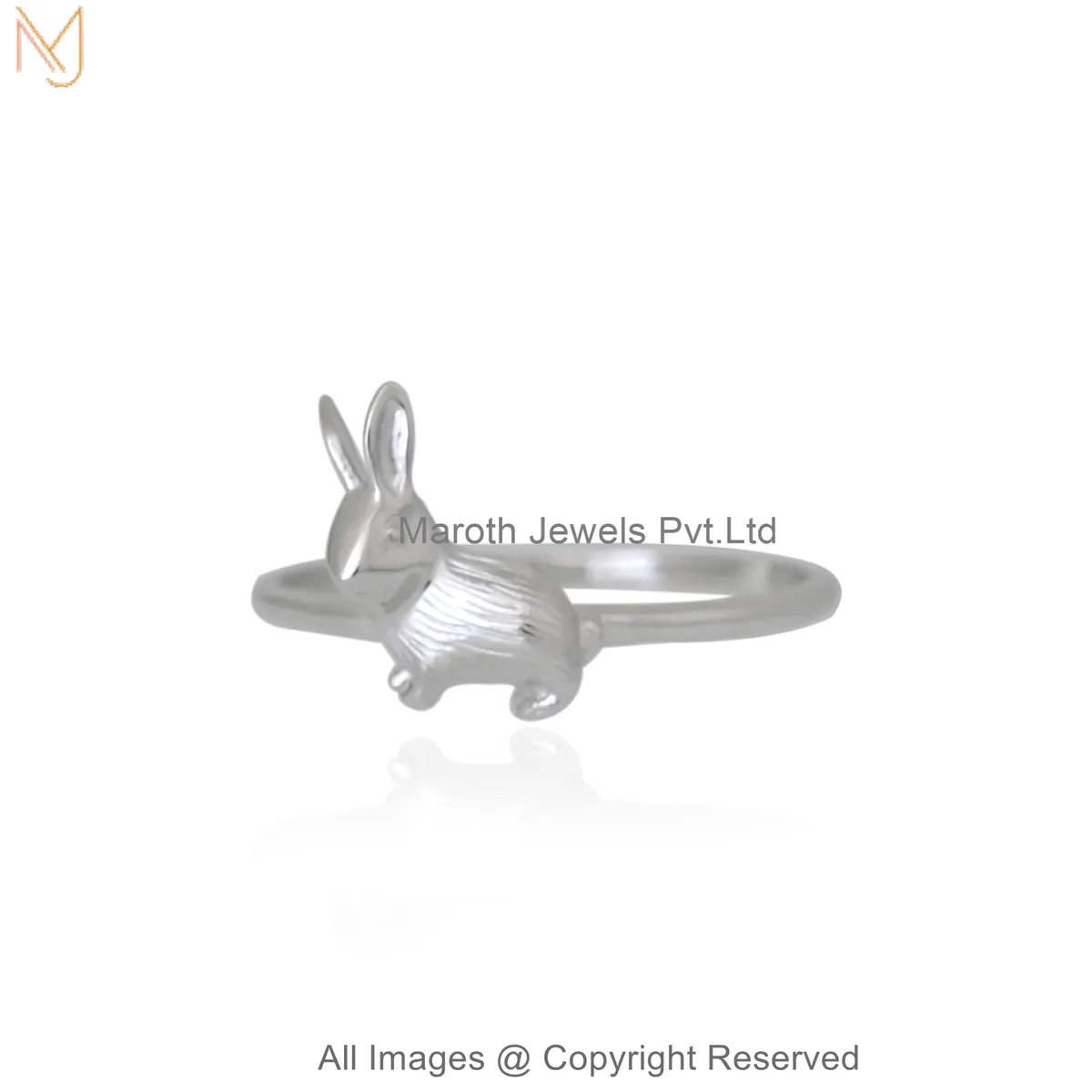
14K White Gold Minimal Rabbit Nature Inspired Bunny Animal Ring Manufacturer
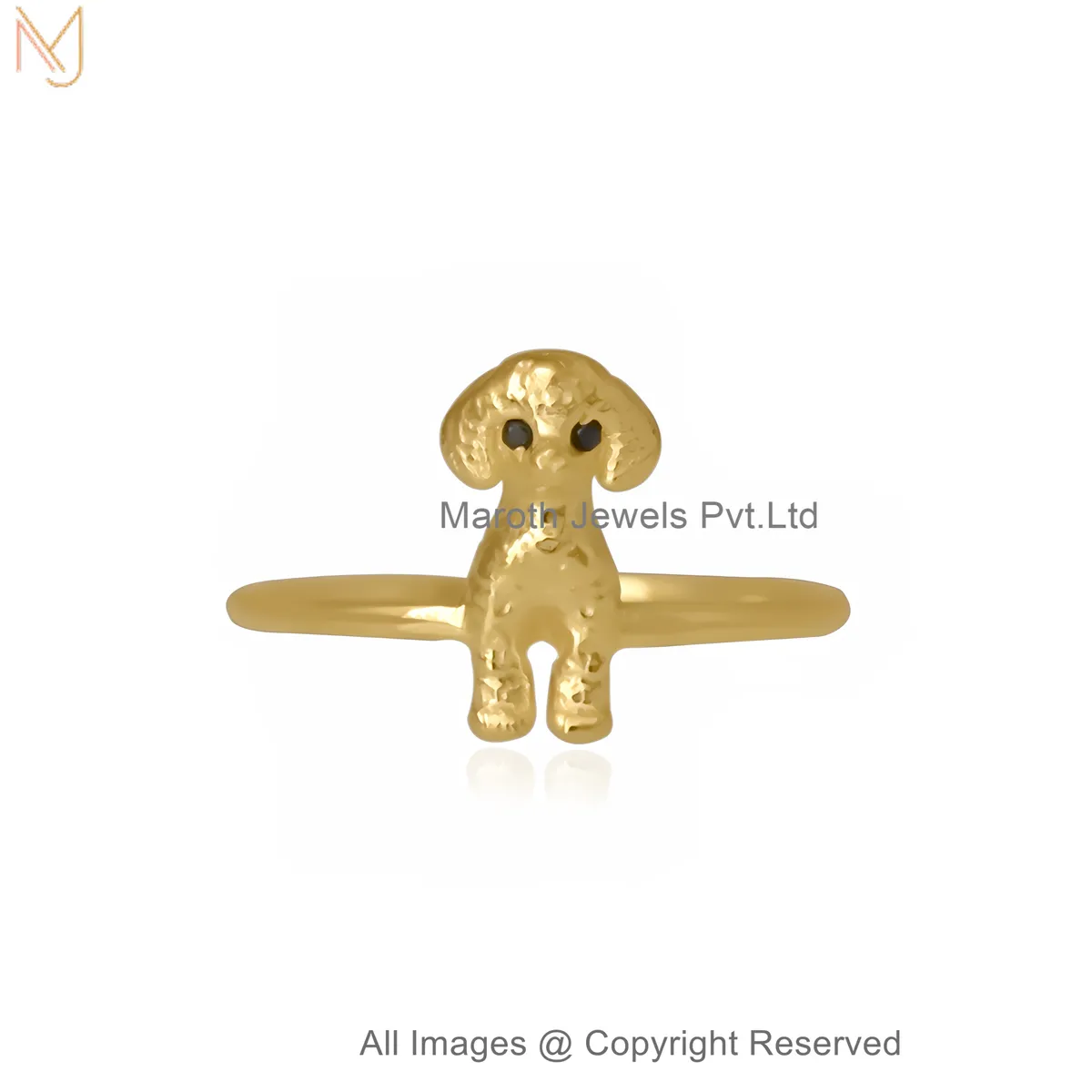
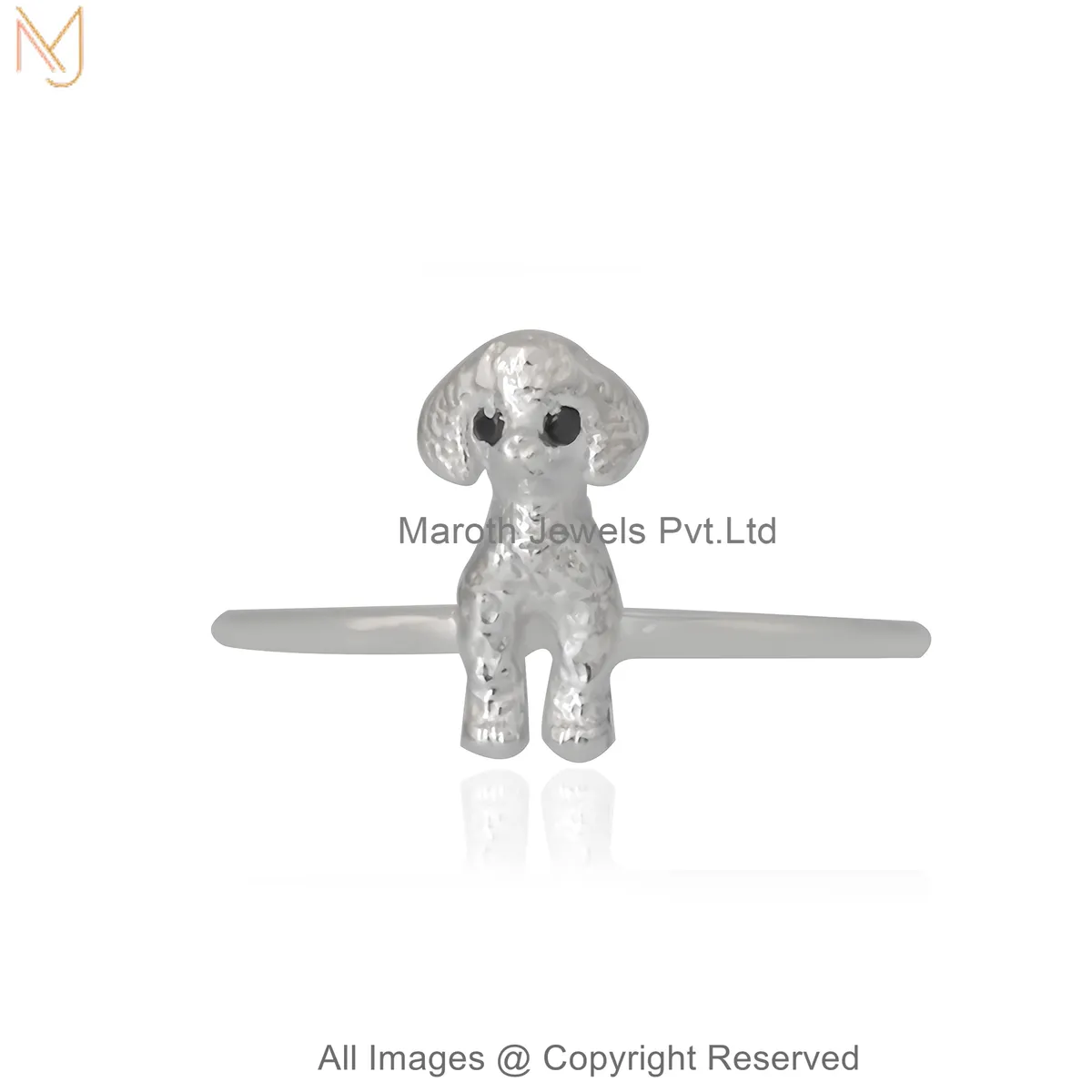
14K Yellow Gold Black CZ Velvet Poodle Minimalist Puppy Animal Ring Custom Jewelry
 -65%
-65%
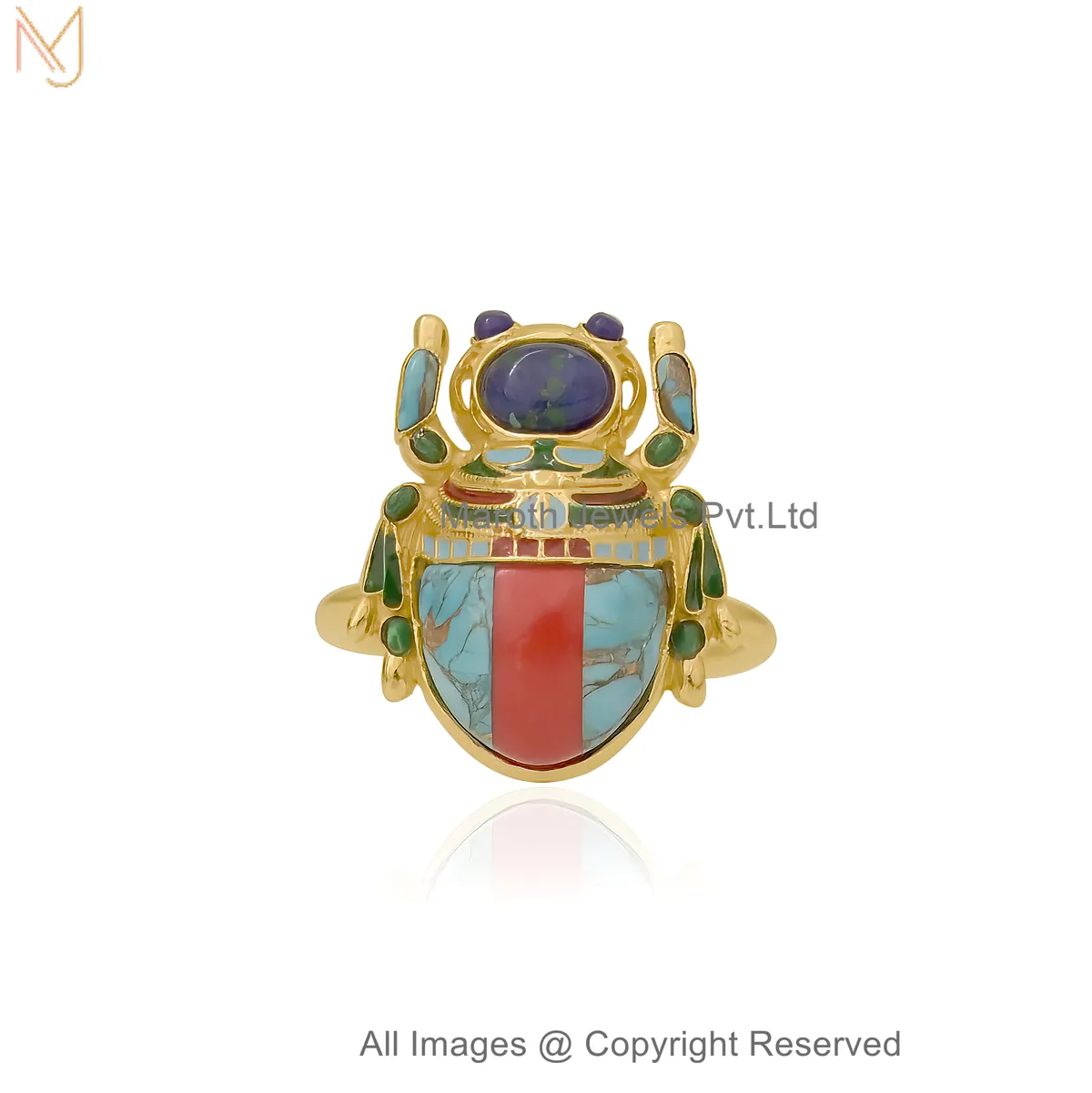
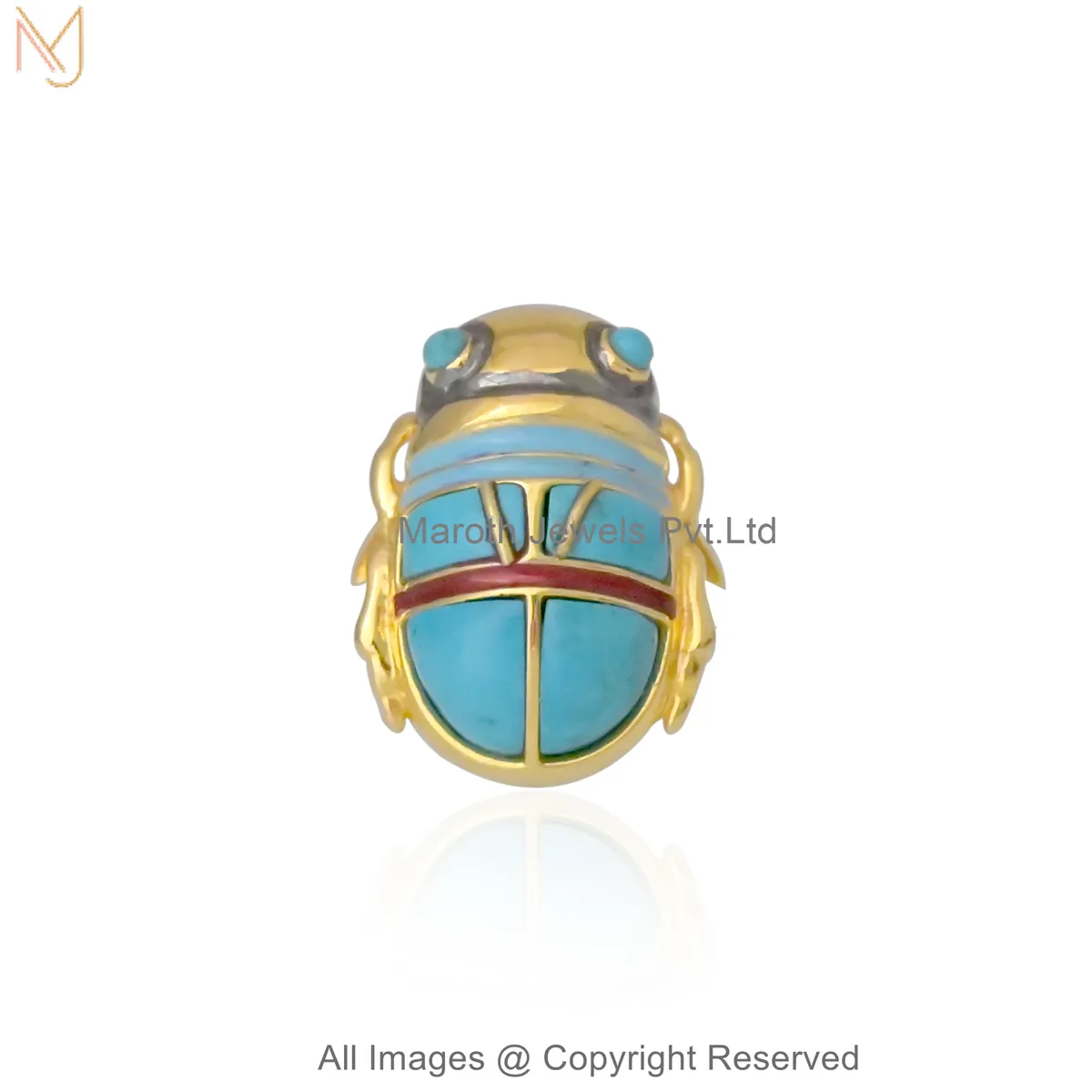
14K Yellow Gold Multi Enamel Gemstone Scarab Beetle Inspired Handmade Jewelry Supplier
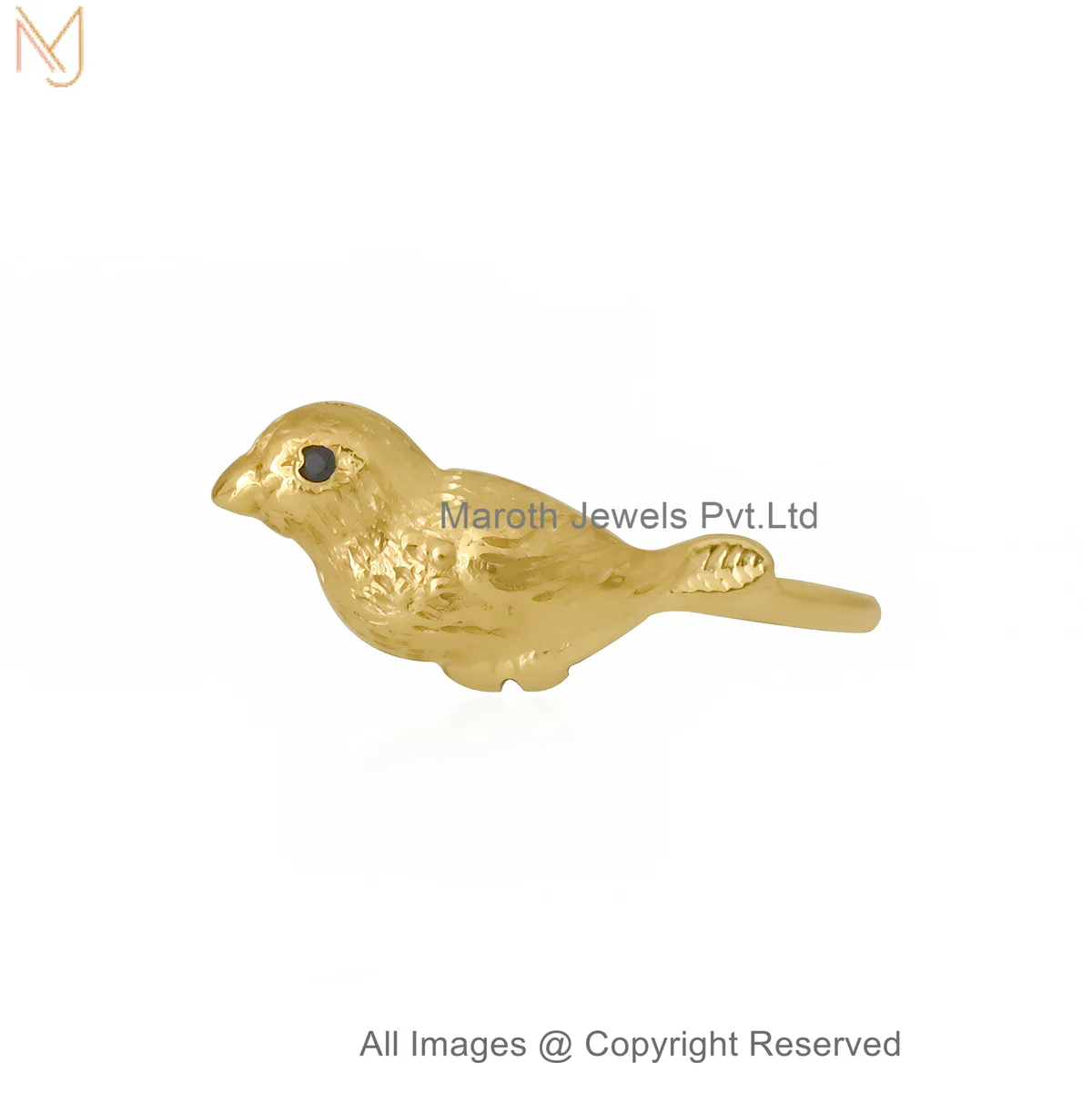
14K Yellow Gold Black CZ Bird Ring – Nature Inspired Statement Manufacturer
 -65%
-65%
14K White Gold Minimal Rabbit Nature Inspired Bunny Animal Ring Manufacturer
14K Yellow Gold Black CZ Velvet Poodle Minimalist Puppy Animal Ring Custom Jewelry
-65%
14K Yellow Gold Multi Enamel Gemstone Scarab Beetle Inspired Handmade Jewelry Supplier
14K Yellow Gold Black CZ Bird Ring – Nature Inspired Statement Manufacturer
Contact Us For Custom Jewelry
Please get in touch with us and share your ideas if you have personalized jewelry or are searching for a private label jewelry manufacturer. In accordance with your suggestions, we will make and present genuine jewelry.
B2B Jewelry Manufacturer for Global Brands
Share your design, metal, plating, gemstone, and quantity requirements for a custom manufacturing quotation. We work in sterling silver and solid gold, including precious, semi-precious, lab diamond, and genuine diamond jewelry.