
Cubic Zirconia vs Diamond Weight Chart
Have you struggled to find the difference between cubic zirconia vs diamonds? Have you ever found yourself comparing cubic zirconia and diamonds? You know, those beautiful gems that adorn our jewelry? Well, today, we're diving into an intriguing exploration of these sparklers, focusing on something that often perplexes buyers: their weight and size.
In this blog, we're going to crack it down in straightforward terms. We'll take a closer peek at cubic zirconia and diamonds, comparing their weight and size.
What is Cubic Zirconia?
Cubic Zirconia (CZ) is a synthetic gemstone utilized as a choice for diamonds. It is made from zirconium dioxide in laboratories, meaning it is not made naturally. Cubic Zirconia looks similar to diamond, it is colorless. However, some of the jewelers these days are also offering CZ in different color options to make them look like sapphires or emeralds.
What is a Diamond?
A diamond is a special naturally formed precious gem found in the ground, not made in a lab. It's unique because it's extremely hard and can flash luminously.
Diamonds take millions of years to develop deep within the Earth, where carbon particles are pressed together under lots of heat and pressure.
Diamonds can be transparent or come in different colors, but the most valuable ones are usually transparent or nearly clear. They're renowned for their spectacular flash.
A diamond is a super hard and shiny gem that nature creates over a long time. It's a top choice for making jewelry extra special.
READ MORE:- wholesale gold jewelry
Cubic Zirconia vs. Diamond: A Comprehensive Comparison
Gemstones have long intrigued human beings with their magnificence and attraction. Among the many gems available, Cubic Zirconia (CZ) and Diamonds stand out for their radiance and classiness. Both are used in jewelry, but they vary greatly in terms of source, properties, and weight.
1. Composition and Origin
Cubic Zirconia (CZ): It is a man-made gem, an outcome of human invention. It consists of zirconium dioxide, a crystalline material made in laboratories. CZ is not discovered naturally in the Earth's crust.
Diamond: It is a product of nature's unique natural procedures. They are created deep within the Earth's mantle under severe heat and pressure.
2. Appearance
Cubic Zirconia: CZ is made to simulate the appearance of diamonds. It is recognized for its shine and blaze, which refer to the gem's capability to reflect and refract light, creating a spectacular play of colors.
Diamonds: It is praised for their outstanding magnificence. The most valuable diamonds are often colorless or have a faint hue of color. They display a bright flash, distinguished by their ability to spread light into a rainbow range of shades. The assortment of transparency and fire makes diamonds positively sought after for use in jewelry.
3. Durability and Hardness
Cubic Zirconia: CZ is relatively long-lasting and appropriate for daily wear. It indexes about 8 to 8.5 on the Mohs scale of mineral hardness, which estimates a material's opposition to marking. While CZ can withstand negligible wear and tear, it is not as tough as diamonds and can create scratches over time.
Diamond: It is the most rigid natural significance known to humanity and ranks at the top of the Mohs scale with a perfect 10. This superior hardness creates diamonds highly immune to scratching and abrasion. They keep their shine and brilliance even after years of wear.
4. Clarity
Cubic Zirconia (CZ): CZ is practically flawless in its artificial form. It lacks the internal or external flaws, known as inclusions and imperfections, that are typically found in natural gemstones like diamonds.
Diamond: It can differ in transparency. Many diamonds have tiny flaws or inclusions, which are usually graded on a scale from "Included" (I) to "Flawless" (FL). The presence and visibility of these inclusions can impact a diamond's weight and appearance.
5. Ethical Considerations
Cubic Zirconia (CZ): It is deemed an ethical option as it is a man-made gemstone with no ethical considerations related to mining practices or possible conflict diamonds.
Diamond: The diamond industry has encountered ethical challenges, specifically related to the sourcing of diamonds from regions associated with conflict and human rights misuses.
6. Weight and Density:
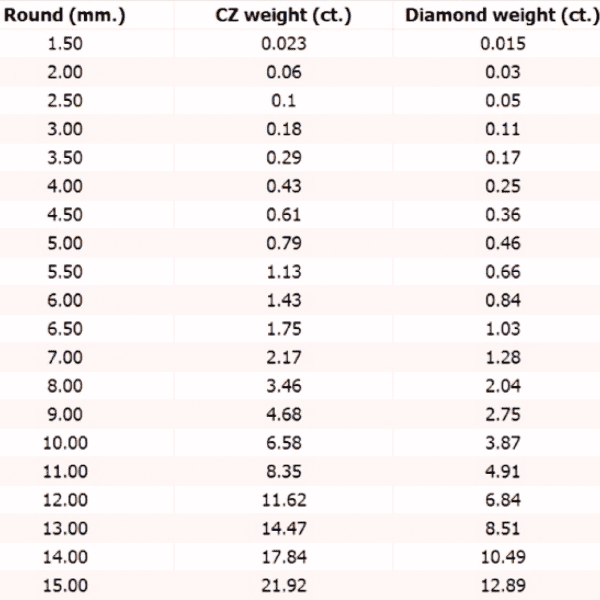
Cubic Zirconia (CZ): It has a denture of approximately 5.6 to 6.0 grams per cubic centimeter (g/cm³). This density indicates that for a given volume, CZ will naturally be weightier than a diamond of the exact dimensions.
Diamond: It is less dense than CZ, with a thickness normally ranging from 3.4 to 3.5 g/cm³. Therefore, for the exact volume or size, a diamond will weigh less than a CZ.
READ MORE:- carabiner lock jewelry
7. Cost and Value
Cubic Zirconia (CZ): One of the most important benefits of CZ is its affordability. CZ delivers a unique visual likeness to diamonds at a fraction of the cost. This affordability makes it an appealing choice for those desiring the look of luxury without the high price tag.
Diamond: Diamonds are usually associated with luxury and are often regarded as a character of prosperity and status. Their abnormality, associated with the time and effort needed for extraction, particularly contributes to their increased cost. Diamonds can be a significant investment depending on their size, quality, and origin.
Cubic Zirconia vs Diamond Weight Chart
Final Take
Discover the world of beautiful jewelry at Maroth Jewels, where we present a gorgeous range of both Cubic Zirconia and Diamonds. Welcome the grace of Cubic Zirconia, an intelligent alternative that seizes the magnificence of diamonds without the high-cost tag. Or indulge in the timeless appeal of genuine diamonds, a sign of lasting love and culture
Explore our collection today and let Maroth Jewels be your trusted partner in adorning yourself with beauty, grace, and affordability.
What is the Difference Between Zirconia and Diamonds?
Curious about Zirconia vs diamonds? We discuss that in this blog. Read till the end and learn all you need to know.
Understanding Zirconia and Its Characteristics
Zirconia is a synthetic gemstone. It is also known as cubic zirconia (CZ). It is created in laboratories. It is significantly less expensive. This affordability makes zirconia a popular alternative to diamonds. The process of making zirconia ensures consistency. This consistency is important for quality. The process involves melting zirconium dioxide with stabilizers. Zirconia is versatile. It comes in various colors. These colors are achieved by adding different elements.
VISIT FOR :: VISIT FOR :: Custom Jewelry
Understanding Diamonds and Their Characteristics
Diamonds are natural gemstones. They are formed deep within the Earth's mantle. The formation process takes millions of years. This unique structure gives diamonds their exceptional hardness. This makes them the hardest natural material. Diamonds resist scratches and damage, making them highly durable. The formation of diamonds involves high pressure and temperature. These conditions exist deep within the Earth. Diamonds have a unique sparkle. This sparkle is known as "fire". Fire is the dispersion of light into spectral colors.
Visual Differences Between Zirconia and Diamonds
At first glance, zirconia and diamonds look similar. Both are clear and brilliant. However, there are subtle visual differences. Diamonds have a unique sparkle known as "fire". This fire is the dispersion of light into spectral colors. Zirconia also has fire, but it disperses light differently. Zirconia's sparkle can appear more rainbow-like. Diamonds display a high level of fire. They break light into vivid spectral colors. This contributes to their unmatched brilliance. Zirconia, while also brilliant, has a different type of sparkle. It can appear more colorful and less sharp compared to diamonds.
Price Difference Between Zirconia and Diamonds
Price is a major factor when choosing between zirconia and diamonds. Diamonds are considered an investment. They hold their value over time. In some cases, diamonds can be appreciated. This makes them a valuable asset. Zirconia does not have investment value. It is purely decorative and is not appreciated. Consider this if you view jewelry as an investment. The cost of diamonds can vary. Zirconia, being synthetic, has a consistent price.
Weight Difference Between Zirconia and Diamonds
Zirconia is denser than diamonds. For the same size, zirconia weighs more. This can affect how the jewelry feels when worn. Diamonds, being lighter, offer a different wearing experience. The weight of zirconia can make it feel more substantial. Some people prefer this heavier feel. Others may find it less comfortable. Diamonds, being lighter, may feel more comfortable for everyday wear. The weight difference is noticeable in larger pieces. Rings and earrings made with zirconia may feel heavier. This can influence your choice depending on personal preference. Consider the weight when choosing between zirconia and diamonds.
Ethical Considerations Between Zirconia and Diamonds
Diamond mining has ethical concerns. Some diamonds come from conflict zones. These are known as "blood diamonds". They fund armed conflict and human rights abuses. Ensure you buy conflict-free diamonds to avoid these issues.
Zirconia and Diamonds’ Maintenance and Care Between Zirconia and Diamonds
Diamonds require low maintenance. They resist scratches and damage. Regular cleaning keeps them sparkling. Zirconia requires more care. This prevents scratches and damage. Avoid storing them with other jewelry. This can cause friction and wear.
VISIT FOR :: Gold Plated Jewelry Manufacturer, Wholesaler & Suppliers
Pros and Cons of Zirconia
Zirconia is affordable and beautiful. It offers a brilliant sparkle. But it is less durable and can scratch easily. Zirconia does not have investment value.
Pros of Zirconia
Affordable
Brilliant
Versatile
Cons of Zirconia
Less durable
Prone to scratches
No investment value
Pros and Cons of Diamonds
Diamonds are valuable and durable. They offer unmatched brilliance. But they are expensive. Ethical concerns exist with natural diamonds.
Diamonds are an investment. They hold their value over time. In some cases, they appreciate it. This makes them a valuable asset. Diamonds are also highly durable. They can withstand daily wear without getting damaged.
Pros of Diamonds
Highly durable
Brilliant
Valuable
Cons of Diamonds
Expensive
Ethical concerns
Making Your Choice: Zirconia or Diamonds?
Consider the occasion. It offers a similar look without the high cost.
Think about the maintenance. Diamonds require less maintenance. Zirconia needs more care to maintain its appearance. Regular cleaning and proper storage are important for zirconia. Consider the ethical implications.
Additional Considerations When Buying Jewelry
When buying jewelry, consider the setting. The setting affects the gemstone's appearance. It also impacts durability. Choose a setting that complements the gemstone. Diamonds are often set in prongs. Prongs hold the diamond securely. They allow maximum light to enter. This enhances brilliance. Other settings include bezel and halo. Each setting offers a different look and level of security. Zirconia is versatile and works well in many settings. Prong settings highlight its brilliance. Bezel settings offer protection.
Conclusion
Choosing between zirconia and diamonds is a personal decision. Both have unique qualities. Consider all factors, including budget, durability, and ethical concerns. Your choice will bring you joy and beauty. Jewelry is a personal expression. Whether you choose zirconia or diamonds, enjoy your choice. Wear it with pride. In summary, zirconia and diamonds have distinct differences. Zirconia is affordable and beautiful. Diamonds are valuable and durable. Both have their place in the jewelry world. Consider your needs and preferences.
Shop This Category
Pendants
Wholesale Custom Jewelry Manufacturers
Maroth Jewels is a leading manufacturer specializing in 92.5 Sterling Silver, 14K/18K Gold, and Gemstones jewelry. We support designers and retail brands worldwide.
Request Bulk QuoteLooking for more articles?
Browse all blogs