


Why People Wear Jewelry
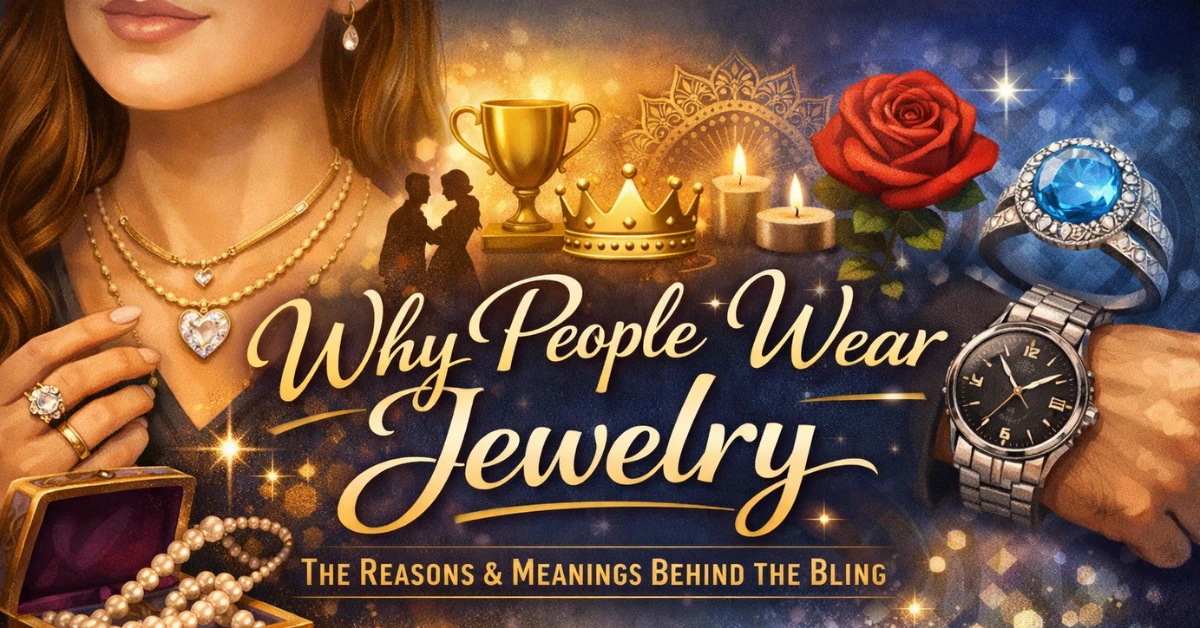
Why People Wear Jewelry?
Jewelry has been part of human civilization for thousands of years. Yet its importance has never faded. From ancient tribes to modern societies, people across cultures and generations continue to wear jewelry for reasons that go far beyond decoration. Jewelry carries emotional, cultural, social, and even psychological meaning that makes it timeless and deeply personal.
In today’s world, jewelry is not limited to royalty or special occasions. It has become an everyday expression of personality, status, belief, and identity. To truly understand why people wear jewelry, we must look at its history, symbolism, emotional value, and role in modern life.
Jewelry as a Form of Self-Expression
One of the most important reasons people wear jewelry is self-expression. Jewelry allows individuals to communicate who they are without saying a word. The type of jewelry someone chooses often reflects their personality, taste, lifestyle, and values.
Minimalist jewelry can suggest simplicity and elegance, while bold statement pieces may reflect confidence and creativity. Some people prefer gold for its richness, while others choose silver or gemstones that match their mood or energy. Jewelry becomes an extension of personal style, much like clothing or hairstyle.
Cultural and Traditional Significance of Jewelry
Jewelry holds deep cultural and traditional importance in many societies around the world. In countries like the USA, jewelry is closely linked with rituals, festivals, weddings, and religious practices. It often represents prosperity, blessings, and social identity.
In many cultures, specific jewelry items are worn to mark life stages such as birth, marriage, and motherhood. Wedding jewelry, in particular, carries symbolic meaning related to commitment, purity, and family heritage. These traditions are passed down through generations, preserving cultural identity.
Emotional Attachment and Sentimental Value
Another powerful reason people wear jewelry is emotional attachment. Jewelry is often gifted during important moments in life, such as birthdays, anniversaries, engagements, or achievements. These pieces become symbols of love, memory, and connection.
A ring from a parent, a necklace from a partner, or a bracelet received during a milestone event holds emotional weight that goes far beyond its material value. Wearing such jewelry provides comfort, nostalgia, and a sense of closeness to loved ones.
Jewelry as a Symbol of Status and Wealth
Historically, jewelry has been used to display wealth, power, and social status. Precious metals and gemstones were rare and expensive, making them accessible only to royalty and the elite. Wearing jewelry was a visible sign of authority and success.
Even in modern society, jewelry continues to reflect status, though in a more subtle way. Luxury watches, diamond rings, and high-end designer jewelry often symbolize financial achievement and success. For some people, wearing such jewelry boosts confidence and reinforces their sense of accomplishment.
Psychological Reasons People Wear Jewelry
From a psychological perspective, jewelry plays a role in how people feel about themselves. Wearing jewelry can increase confidence, improve mood, and create a sense of completeness in one’s appearance. Many people feel more put together or attractive when wearing their favorite pieces.
Jewelry can also act as a form of emotional security. Some individuals wear rings, pendants, or charms daily as comfort objects that make them feel safe or grounded. These items can serve as reminders of strength, faith, or personal goals.
Spiritual and Religious Importance of Jewelry
For many people, jewelry has spiritual or religious meaning. Religious symbols such as crosses, pendants, beads, or sacred stones are worn as expressions of faith and devotion. These pieces often serve as protective symbols or reminders of spiritual beliefs.
In some traditions, gemstones are believed to carry energies that affect health, luck, or mental balance. People wear specific stones for peace, confidence, success, or protection from negativity.
Jewelry and Identity in Modern Society
In modern times, jewelry has become closely tied to identity and lifestyle. People choose jewelry that aligns with their profession, social circle, and personal values. For example, professionals may prefer subtle jewelry, while artists may choose expressive designs.
Social media and fashion trends have further influenced how people use jewelry to define their image. Jewelry now plays a key role in shaping how individuals present themselves to the world.
Jewelry as a Fashion and Style Element
Fashion is another major reason people wear jewelry. Jewelry completes an outfit and adds depth, contrast, or elegance to overall styling. A simple outfit can be transformed instantly with the right jewelry.
Seasonal trends often influence jewelry choices, from layered necklaces to chunky rings or minimalist studs. People enjoy experimenting with different styles to match occasions, moods, and outfits. Jewelry allows flexibility without changing one’s entire wardrobe.
Jewelry as an Investment and Heirloom
Many people wear jewelry not only for beauty but also as an investment. Precious metals and gemstones often retain or increase their value over time. This makes jewelry both a wearable asset and a financial safeguard.
Heirloom jewelry is especially valued because it combines monetary worth with emotional and historical significance. Families pass down jewelry as a way of preserving legacy and tradition. Wearing such pieces keeps family stories alive.
Conclusion: The Timeless Reason People Wear Jewelry
People wear jewelry for many reasons, but at its core, jewelry is about meaning. It represents identity, emotion, culture, belief, status, and personal expression all at once. Its value lies not only in its material but in the stories and emotions it carries. As trends change and societies evolve, the reasons people wear jewelry may expand, but its emotional and symbolic importance will always remain timeless.
Recent Posts
 -65%
-65%
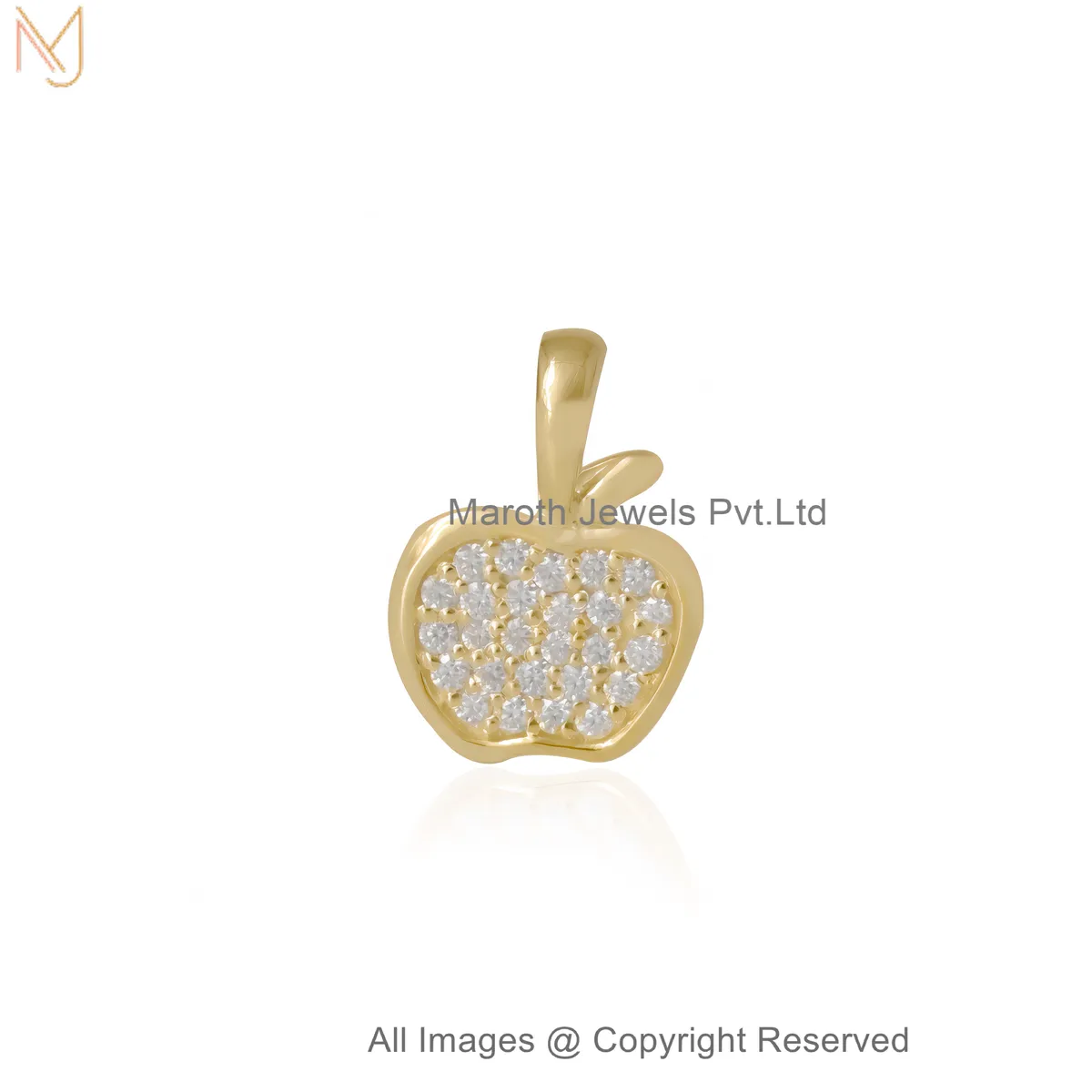
14K Yellow Gold CZ Lumera Apple Pendant Elegant Fruit Charm Designer Jewelry Supplier
-65%
 -65%
-65%
14K Yellow Gold CZ Lumera Apple Pendant Elegant Fruit Charm Designer Jewelry Supplier
-65%
Contact Us For Custom Jewelry
Please get in touch with us and share your ideas if you have personalized jewelry or are searching for a private label jewelry manufacturer. In accordance with your suggestions, we will make and present genuine jewelry.
B2B Jewelry Manufacturer for Global Brands
Share your design, metal, plating, gemstone, and quantity requirements for a custom manufacturing quotation. We work in sterling silver and solid gold, including precious, semi-precious, lab diamond, and genuine diamond jewelry.