





Can You Wear Gold Plated Jewellery in the Shower?
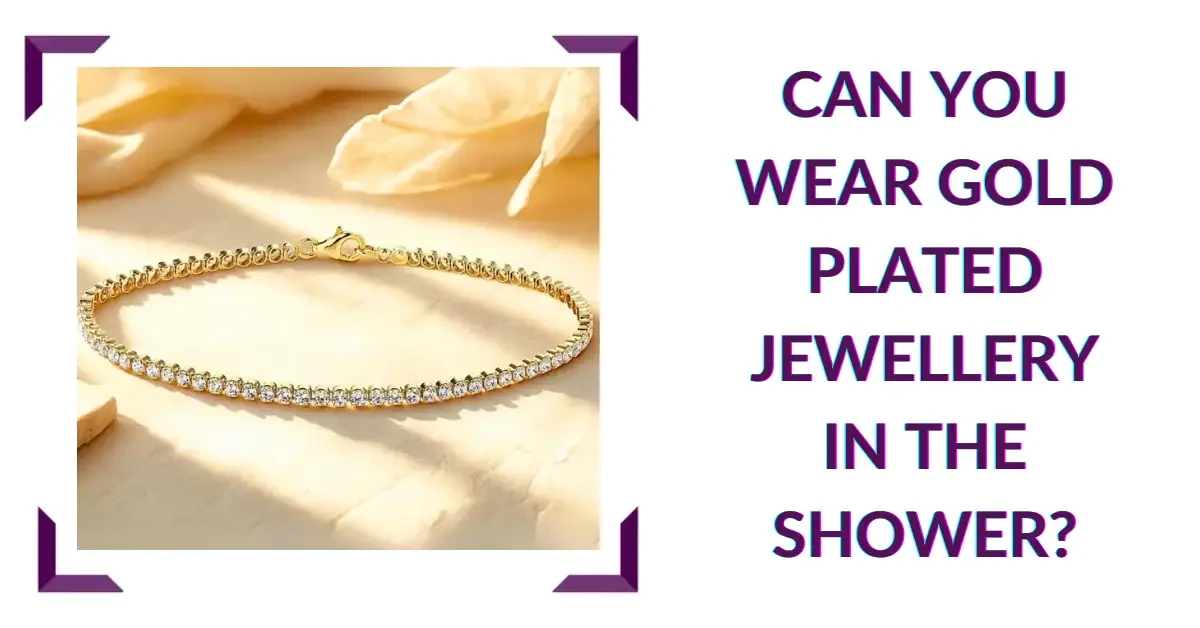
Can You Wear Gold Plated Jewellery in the Shower?
Gold jewellery is something people find themselves wanting. The sparkle and austerity gold brings to things is unlike any other. At homes, gold and diamond necklaces, dangling earrings and more are common among everyone’s favourite jewellery pieces.
Such precious ornaments tend to be placed safely in lockable boxes and only displayed when there is a holiday or occasion. Don’t expect to see women in the streets wearing pure gold jewelry. Yet, many people complain if they leave home without any shopping. Thankfully, gold plated jewellery is the answer to these problems.
What Is Gold Plated Jewellery?
Because it is made on something like copper or silver, gold-plated jewellery is in fact covered with a thin layer of gold.It is commonly called the 'plating' layer. For this style of plating, jewellery is put into a mixture of pure gold or an alloy with a gold color. Then, the piece goes through an electric current to start a chemical process. This means the thin coat of gold will go onto the upper part of the bauble.
You can use aluminum when you need a metal but can’t afford a pricier one. Whether you choose a heart-shaped gold piece, a crystal studded bracelet or a pendant, nearly anything can be plated in gold. Since such pieces are easy on the pocket, women tend to sport them in every situation. I noticed these decorations are strong and keep their shine when used often.
For this reason, women and girls prefer these products for their regular needs. However, because they are always so busy, they usually don’t remove their gloves during handwashing or when showering. With that in mind, we ask: Is wearing gold-plated jewellery safe in the shower?
Is It Safe To Wear Gold-Plated Ornaments In The Shower?
It is not true. Repeating underwater use can cause the gold on the jewellery to become chipped and discolored. The best that will happen is that its shine fades and dulls and the worst is that it chips. What’s left at the finish will be only a dented ornament.
You should always remove your gold jewelry, whether it is a white pearl gold plated set or yellow gold plated piece, before coming into contact with water to take care of it. Is that all we require? Not really. There are additional ways you should follow to avoid harming your gold plated jewellery.
How To Stop Your Gold Plated Jewelry From Becoming Tarnished?
Try these three things to keep your gold-plated ornaments unbroken for longer:
Be sure not to put perfume or cosmetics on the plated jewelry you are wearing.
Use perfume or cologne before you put on your jewelry. The rules also cover cosmetic products.
Put on your makeup first and follow it up with your jewellery. Chemicals are not able to harm your product when it is stored safely.
Try to Wipe Your Plated Ornaments Clean on a Regular Basis
Add some liquid or powder dish washing product to lukewarm water. After that, delicately place your gold plated jewellery into the mixture. Following that, use a clean and dry white towel to polish your seat. Ensure it is completely out of the oven and let it sit so it is completely dry.
Keep All Your Jewellery Inside A Bag
If you don’t have your gold plated accessories on you, store them in a bag that’s sealed with plastic or zip. At that point, vials interact just a little bit with moisture or air. Therefore, your furniture will brighten the room for a long time.
Can You Wear Any Jewellery During Your Shower?
Even though there aren’t many types of ornaments you can wear while showering or swimming, you can find a few.Ornaments from stainless steel, glass or plastic, as well as sterling silver, won’t rust or deteriorate when wet.
Other Types of Jewellery You Shouldn’t Clean in the Shower
Apart from gold plated pieces, it’s best to not wear any Pearl necklace sets or earrings in the shower. This applies to Platinum and American Diamond jewellery, so it’s best to avoid water when storing bracelets, necklaces or large earrings.If you don’t look after them properly, these metals quickly lose their shine.
If you want to own jewellery made of gold but don’t have a big budget, consider gold plated. If you don’t near water, your gems will last longer and keep their sparkle.
The Do's
1. Light Splashes:
If your gold-plated jewelry has light water spots, you do not have to worry about them and can usually wear your pieces in the shower. Gold is not seriously damaged by a bit of water, because the coating is thin and durable. So, if you’re careful around water and try not to get it too close to your jewelry, it should last.
2. Quick Rinses:
Should you need to do this in a flash, a fast rinse over your gold-plated jewelry is unlikely to lead to major problems.So, remember to let water completely evaporate by patting your jewelry once you’ve finished your cleaning.
3.Quality Matters:
Choose to purchase jewelry that is solid gold-plated, as it will look and last much longer. If your plating is good, your jewelry will show its shine for a longer time. Get your jewelry from respected brands or jewelers who make their pieces from premium materials and with great care.
The Don'ts
1. Avoid Soaps and Shampoos:
Exposing your jewels with a gold-plated finish to soap and shampoo in the shower is a big mistake. Harsh chemicals present in these products can gradually damage plating on your body parts. It’s a good idea to take your jewelry off if you’re planning to use them.
2. Hot Water and Steam:
Moisture and heat from hot water and steam can cause the gold backing to come loose. Purists believe that taking a lengthy, steamy shower exposes your hair to too much heat which can cause the layer of gold to flake or fade. Avoid spending a long time in hot showers.
In the End
You can enjoy showering with gold-plated jewelry, but it’s necessary to remember the right and wrong ways to preserve your items. In most cases, taking off your gold-plated jewelry while showering can reduce any possible risks.A little light water exposure should not damage your phone unless you violate the suggestions from this guide.
Can You Shower with 14K Gold? The Do's and Don'ts
Do you want to shower with 14K Gold? Well, it is not recommended. But there are alternatives. Let's look at these in this blog, read till the end.
Understanding 14K Gold
14K gold is a blend of gold and other metals. It contains 58.3% pure gold. The rest consists of metals like copper, silver, or zinc. This mixture makes it more durable than pure gold. 14K gold is popular for everyday jewelry. It is also more affordable than higher karat gold.
You may wonder why 14K gold is more durable. The additional metals make it harder. These pieces need to withstand daily wear. You should also know that 14K gold comes in different colors. Yellow gold is the classic choice. White gold is a popular modern option. Rose gold has a unique, warm hue.
VISIT FOR :: Custom Jewelry
The Effects of Water on 14K Gold
Water itself does not damage gold. However, 14K gold includes other metals. These metals can react to water. This reaction can cause tarnishing or dullness over time. Chlorine in water can speed up this process. So, regular exposure to water may harm your jewelry.
It's important to consider the type of water. Hard water contains more minerals. These minerals can leave deposits on your jewelry. These deposits can make your gold look dull. They can also be difficult to remove. Soft water is less likely to cause these issues.
The Effects of Soap on 14K Gold
Soaps can leave a residue on 14K gold. This residue can build up over time. It can make your jewelry look dull and dirty. You may need to clean it more often if you wear it in the shower. Mild soap may not cause immediate damage. However, harsh soaps and body washes can affect the metal.
You use soap every day. It cleans your skin but can harm your gold. The residue left by soap can accumulate. This can make your jewelry look less shiny. You might not notice it right away. Over time, the buildup can be significant.
Certain soaps are worse than others. Harsh soaps contain strong chemicals. These chemicals can react with the metals in 14K gold. This can lead to discoloration. Even mild soap can leave a film on your jewelry. This film attracts dirt and dust. Your jewelry will need more frequent cleaning.
The Effects of Shampoo and Conditioner on 14K Gold
Shampoo and conditioner can also affect 14K gold. They often contain chemicals that can build up on the jewelry. These products can make your gold lose its shine. They can also cause discoloration over time. It is best to avoid wearing your gold when using these products.
You might not think about your hair products. However, they can impact your jewelry. Shampoos often contain sulfates. These chemicals can strip oils from your hair. They can also affect the metals in your gold jewelry.
Conditioners contain silicones. These ingredients make your hair smooth. They can leave a coating on your jewelry. This coating can dull the shine of your gold. Over time, it can lead to discoloration. It's best to remove your jewelry before washing your hair.
The Effects of Hot Water and Steam on 14K Gold
Hot water and steam can be harmful to 14K gold. The heat can cause the metal to expand. This expansion can weaken the structure of your jewelry. Steam from hot showers can also cause similar effects. Over time, this can lead to cracks or breaks in the gold.
You might enjoy hot showers. However, the heat can affect your gold jewelry. The metal can expand when exposed to high temperatures. This can cause small cracks. Over time, these cracks can become bigger. This can lead to breaks in your jewelry.
Steam is another concern. Hot water produces steam. This steam can penetrate small spaces in your jewelry. It can cause similar expansion and contraction. This weakens the metal over time. Your jewelry can become more fragile.
The Effects of Chlorine on14K Gold
Chlorine is very harmful to 14K gold. It can cause the metals in the gold to weaken. Avoid wearing your gold in pools or hot tubs. You might love swimming. However, chlorine is a big concern for gold jewelry. This chemical is very reactive. It can cause significant damage to the metals in 14K gold. Even small amounts can be harmful over time.
Swimming pools contain a lot of chlorine. This helps keep the water clean. However, it's not good for your jewelry. Chlorine can make gold brittle. This can cause it to break more easily. It's best to remove your jewelry before swimming.
The Effects of Saltwater on 14K Gold
Saltwater can be very damaging to 14K gold. The salt can corrode the metals in the gold. This cause tarnishing and discoloration
Saltwater can also weaken the metal. This makes it more prone to damage. You might notice small cracks or breaks. These can become worse over time.
Do’s and Don’ts While Taking Shower With 14 Gold
Now, let’s look at some dos and don’t.
Do:
Security:
Sanitize all user input to prevent vulnerabilities (SQL injection, XSS).
Implement strong password hashing and storage practices.
Use authorization modules to control user access.
Performance:
Leverage caching mechanisms (output, macro) for faster page loads.
Optimize database queries with proper indexing.
Use code profiling to identify and address performance bottlenecks.
Maintainability:
Write clean, well-documented code with comments and clear naming conventions.
Utilize version control (Git) to track changes and facilitate collaboration.
Consider design patterns for reusable and maintainable code.
Upgrading and Customization:
Design customizations to minimize impact during Kentico upgrades.
Test customizations thoroughly after upgrades.
Use custom modules effectively to extend Kentico functionalities.
General:
Stay updated with Kentico documentation and best practices.
Participate in the Kentico development community for knowledge sharing.
Test your code thoroughly before deployment.
Consider CI/CD practices for automated builds and deployments.
Don't:
Security:
Store passwords in plain text.
Neglect user input validation.
Grant excessive permissions to users.
Performance:
Make unnecessary database calls.
Neglect to optimize database queries.
Ignore performance issues identified through profiling.
Maintainability:
Write spaghetti code with poor readability.
Skip version control practices.
Neglect code documentation.
Upgrading and Customization:
Modify core Kentico objects directly (use inheritance instead).
Integrate third-party libraries without proper security considerations.
Neglect testing customizations after upgrades..
VISIT FOR :: Which Hand To Wear Crystal Bracelet – Left Or Right Wrist?
Can you wear Gold jewelry in the shower?
No, this is not recommended. This can damage your jewelry.
What can I wear in the shower?
It’s highly recommended that you wear an alternative. This includes gold plated jewelry.
How Do You Clean 14 karat Gold Jewelry?
Cleaning gold helps maintain its shine. A soft cloth is a good tool. It can remove oils and residues. This keeps your jewelry looking fresh. For a deeper clean, use mild soap and warm water. This can remove more stubborn dirt. Be gentle when cleaning. Avoid harsh chemicals. They can damage the gold. Abrasive materials can scratch the surface. Your jewelry will look better with gentle care.
How Do You Regularly Maintain Your 14k Gold Jewelry?
Regular maintenance is important. It keeps your 14K gold in good condition. Therefore, you should have it inspected by a jeweler once a year. They can check for any damage or wear. They can also clean it professionally.
A jeweler can spot any issues. They can check for damage. This includes cracks or weak spots. Regular checks can prevent bigger problems. Professional cleaning is also beneficial. Jewelers have the right tools. They can clean your jewelry thoroughly. This keeps it looking its best. Regular maintenance is a good investment.
What is the Best Alternative to 14K Gold?
You might want to wear jewelry all the time. Consider alternatives for daily wear. They are less expensive. Plus, they might also be more durable. Gold-filled jewelry is another choice. It has a thicker layer of gold. This makes it more durable. You can wear these pieces in the shower. They are less likely to get damaged.
Another option is to remove your jewelry. This helps preserve its quality. It can prevent damage from water and soap. Your 14K gold will last longer. It will look better over time.
Conclusion
Showering with 14K gold is not recommended. Water, soap, and other factors can damage your jewelry. Take care of your gold by removing it before showering.
Can You Wear Gold in the Shower? The Do’s and Don'ts of Showering with Jewellery
Gold is one of the most expensive metals that has been worn by queens to date. However, people are often concerned if it is safe to wear gold in the shower and separate it from their jewellery. Here, the following article talks about “How to take a shower with gold pieces.” So, browse down and know how to maintain the alluring of your gold jewellery with tips.
Can You Wear Gold While Taking a Shower?
Yes, while taking a shower you can wear gold jewellery. The metal is known for its excellent flexibility against tarnish, rust and corrosion. It makes the gold a reliable and durable choice for regular use specifically during the shower. Apart from this, the inherent property of gold helps in preserving from water damage. Also, in comparison to other metals gold is less reactive. It does not quickly react with oil or water, making it less corrode and tarnish.
VISIT FOR :: how much is 14k gold bracelet worth
18k Gold and Higher
Gold with an 18K or greater purity content is more malleable and prone to breakage. Abrasion and chemicals in the shower can destroy lower karat gold, while higher karat gold is tougher because it contains more other metals.
Lower Karat Gold
Although it won't break the metal, being showered with lower-karat solid gold jewellery may make it less shiny. It is also more likely that a thick gold plate or a piece loaded with gold will resist any deterioration from showering.
Thin Platting
Wearing jewellery with thinner plating, dipped gold, or high-karat gold plating in the shower is not advisable. More of the base metal can be seen as the gold chips or wears down due to chemicals, detergents, and water.
The Right and Wrong Ways to Wear Gold in the Shower
Do’s
Select Fine Gold Jewellery:
Look for a reputable jeweller who uses superior materials when making your selection. It assists you in saving your jewellery from factors like water and other substances.
Regularly Clean Your Gold Jewellery:
To get rid of any possible grime buildup, clean your jewellery pieces daily. The best thing to clean with them is a mixture of warm water and mild soap.
Remove Your Gold Jewellery Before Working with any Harsh Substances:
Apart from this, your gold jewellery can also be harmed by substances like cleaning solutions or chorines. To preserve it from getting discolouration, take off your jewellery before using it.
Keep Your Gold Jewellery in a Box:
The most appropriate way to keep the gold jewellery is to put it in a safe and clean box. To do this, you can also put it into a velvet pouch or jewellery box. In addition, store it in a clean, dry area.
Don't's
Wearing Gold Jewellery while Taking a Bath:
Over a base metal, the gold jewellery contains thin plating of gold. When coming in contact with water and other materials the gold plating can wear off. So, to prevent it from doing so, avoid wearing it during the shower.
Wearing Gemstone and Gold Jewellery During the Shower:
After all, even though gold does not rust or tarnish, some of the gemstones used in the jewellery may get ruined due to water. Hence, it is advisable not to wear gold jewellery that includes gemstones during the shower to stop it from getting worn out.
Wearing Gold Jewellery while Using Strong Soaps and Shampoos:
Some specific soaps and shampoos involve harsh substances. Due to this, the gold jewellery may lose its shine or corrode. To avoid this kind of situation, remove your jewellery before using these things.
Wearing Damaged Gold Jewellery while Taking a Bath:
If your gold jewellery is already damaged or has loose stones try to avoid wearing it while taking the shower. Adoring them at that time may create more harm and result in losing or breaking other stones with other possible circumstances.
Does Wearing White Gold or Yellow Gold in the Shower Make a Difference?
When it comes to gold jewellery both white and yellow gold jewellery do not consist of specific differences during the shower. Both gold types are flexible and remain safe from water and other materials. However, some considerations exist for them that are as follows:
How Water Affects Your Gold Jewellery Over Time?
Although the alloys in gold jewellery can react with time, especially if improperly cared for, solid gold is resistant to tarnish. Water damage to gold jewellery over time can result in chemical reactions, softer metal surfaces that are more prone to scratches, and soap scum accumulation.
To lessen these impacts follow the below-mentioned things:
● When taking a shower, take off your jewellery to avoid the harsh chemicals in soaps.
● After coming into contact with wetness, completely dry your goods.
● Jewellery should be properly stored away from humid areas.
VISIT FOR :: necklace manufacturer
By being aware of these possible effects, you may take action to protect the beauty of your gold jewellery. Although our pieces are made to withstand wear and tear, careful handling will keep them brilliant.
Features of Gold-Plated Jewellery
Thickness
The gold plating varies in thickness. Usually, it ranges from 17 to 2.5 microns. Even the larger layers don't contain much of the expensive metal; the thinly layered pieces have the thinnest covering of gold. It's hardly much gold, but the thicker plating is less prone to flake off easily.
Gold Plating
There are variations in the plating's purity of gold as well. To create a gold alloy, the actual gold is typically combined with other metals. Pure 24-carat (24K) gold is too brittle to be used in jewellery; instead, it is strengthened by mixing it with copper or other metals. The strength of the gold alloy increases with the amount of other metals added. Consequently, an 18K piece will be less likely to sustain damage than a 10K gold-plated one. The 10K piece's colour will be lessened because there is less real gold in it, but it will still hold up to more handling abuse.
Types of Plating
And last, there's the application of the gold plating to take into account. A few things have gold dips on them. This approach has the highest chance of chipping and is the least secure. Chemicals are used in gold plating to fuse the gold to the base metal. Because electroplating entails the use of both substances and an electrical current, this relationship is especially strong. Additionally, there is also a gold-filled that contains thick layers of gold bonded to a base metal referred to as "gold filled." These jewellery types have a lot more gold than any gold-plated item.
Conclusion
Lastly, since solid gold is so resistant to rust, tarnish, and corrosion, it is safe to wear the gold jewellery in the shower. Due to its noble qualities, gold is less reactive to air and water, guaranteeing its dependability and durability for daily use—including in the shower or swimming pool. Use these suggestions to keep your gold jewellery shining: Select high-quality items, give them frequent cleanings, and stay away from harsh chemicals. Although gold is not waterproof in and of itself, you can wear it with confidence in a variety of wet conditions without worrying about damage thanks to its great resistance to water damage.
Recent Posts
 -65%
-65%
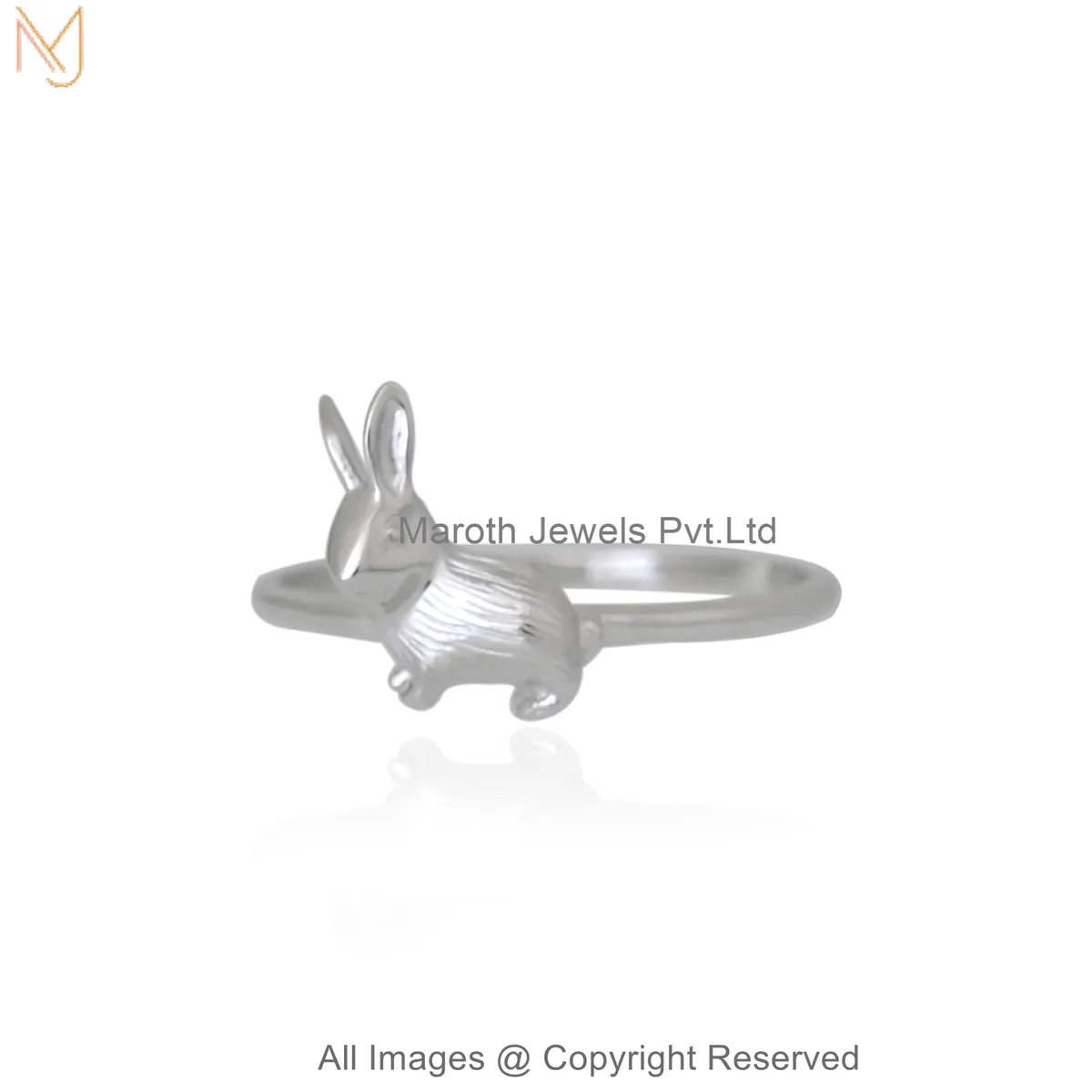
14K White Gold Minimal Rabbit Nature Inspired Bunny Animal Ring Manufacturer
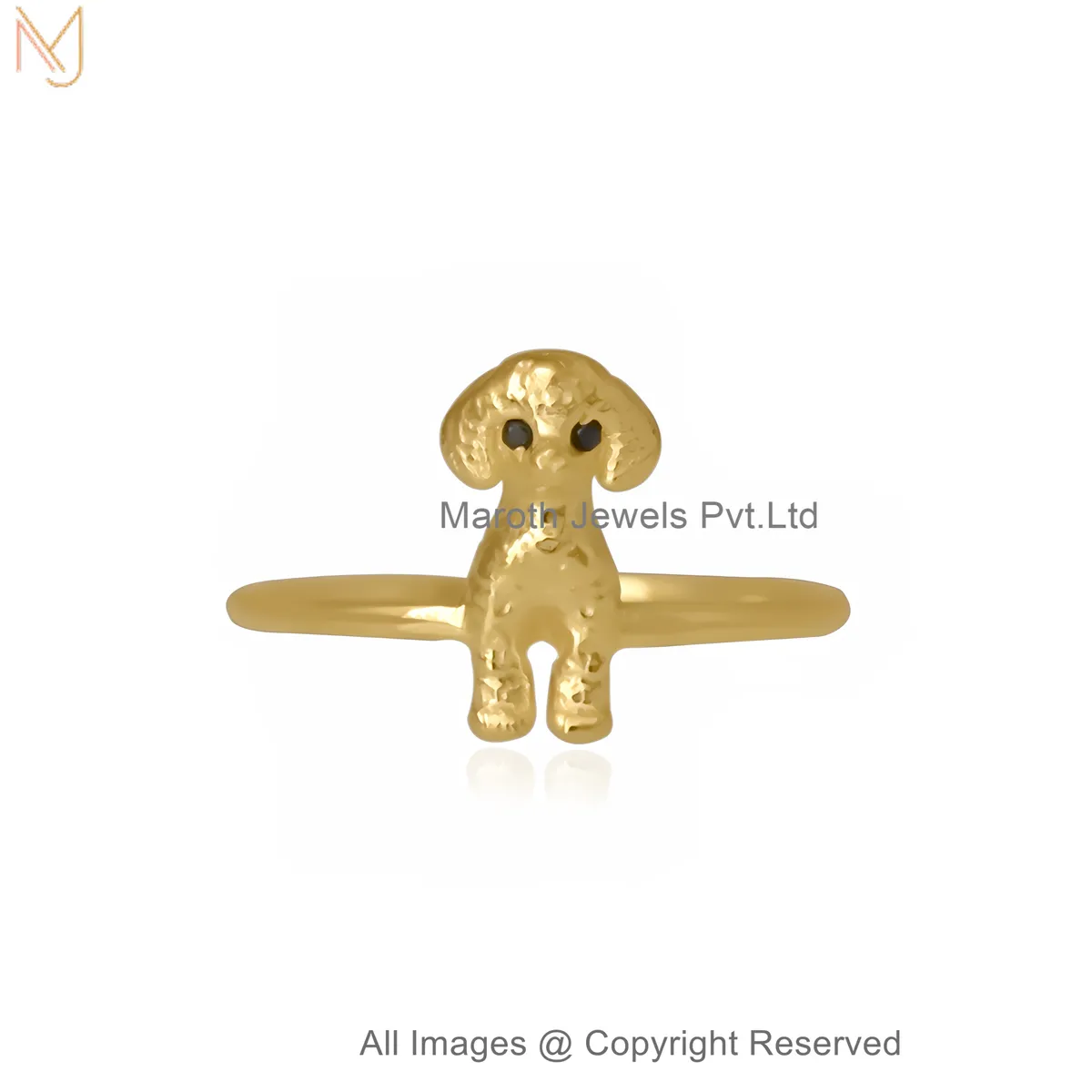
14K Yellow Gold Black CZ Velvet Poodle Minimalist Puppy Animal Ring Custom Jewelry
 -65%
-65%
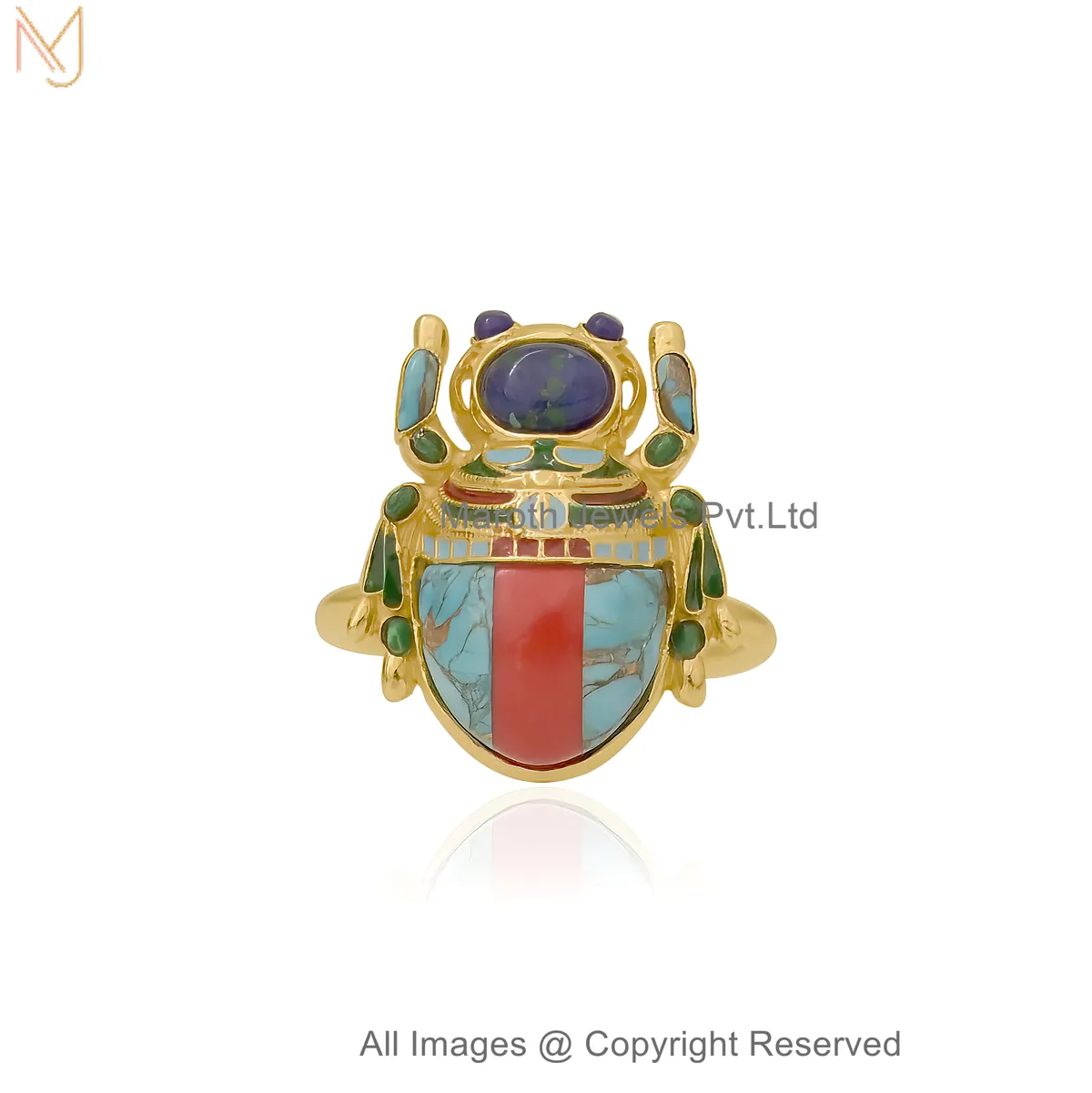
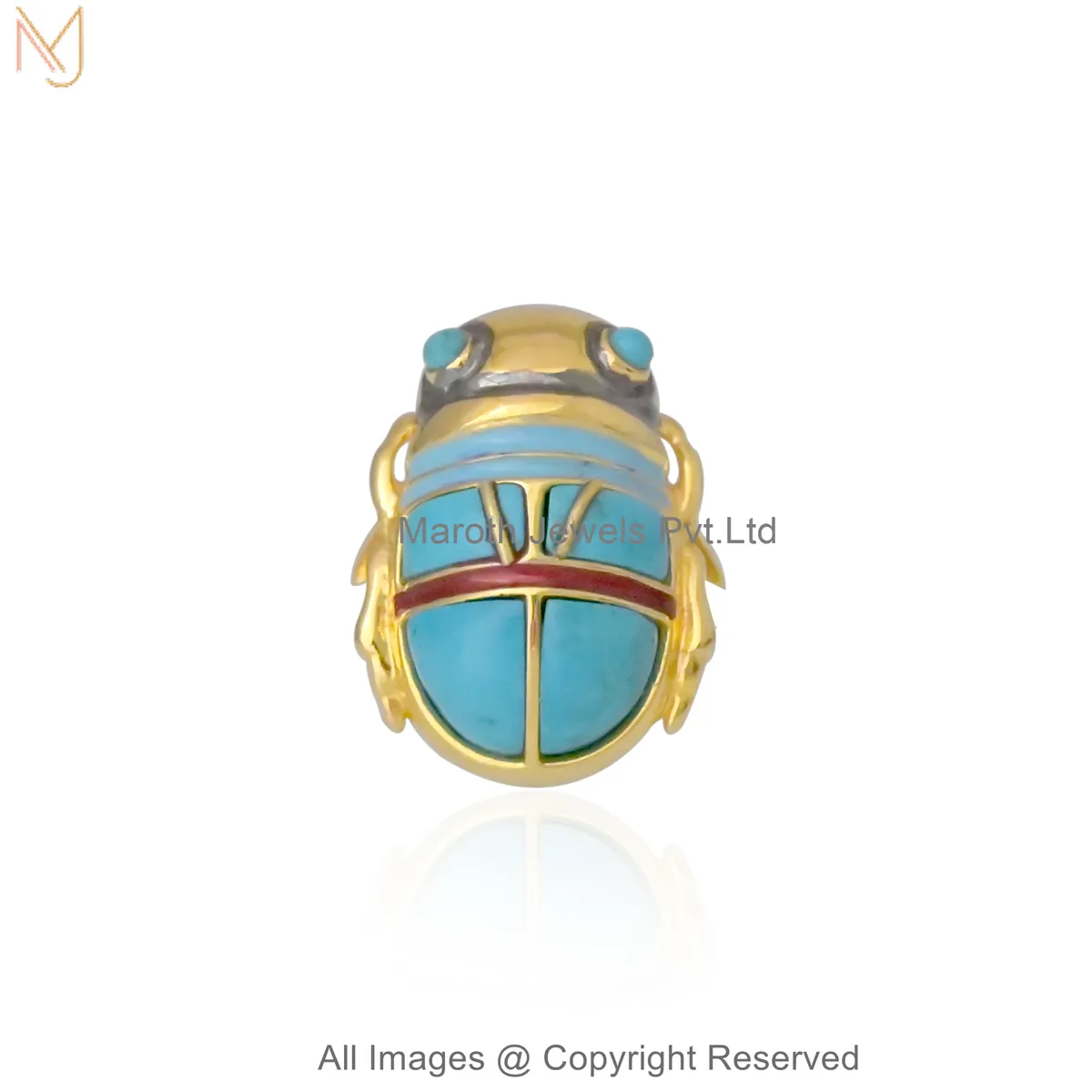
14K Yellow Gold Multi Enamel Gemstone Scarab Beetle Inspired Handmade Jewelry Supplier
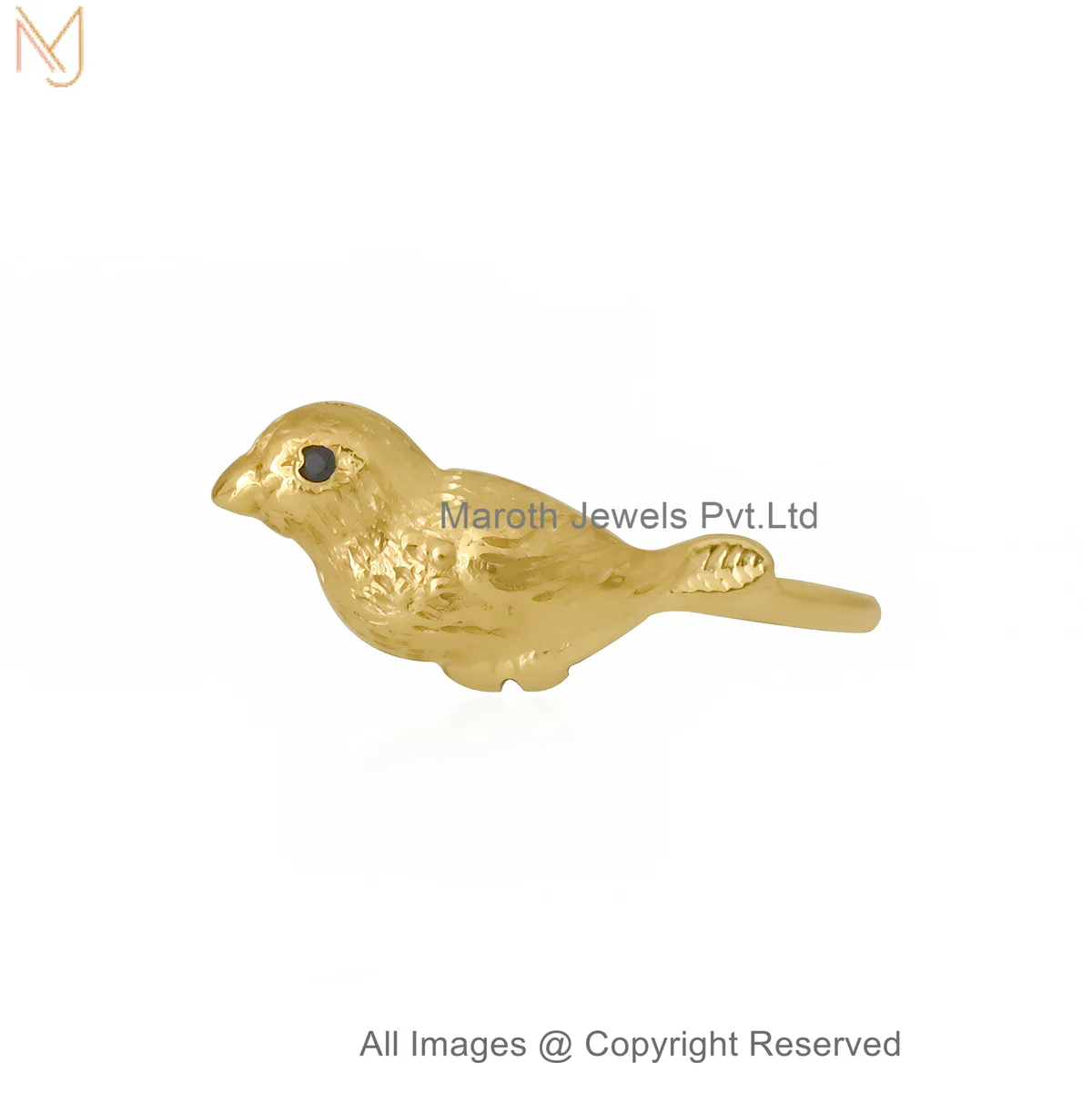
14K Yellow Gold Black CZ Bird Ring – Nature Inspired Statement Manufacturer
 -65%
-65%
14K White Gold Minimal Rabbit Nature Inspired Bunny Animal Ring Manufacturer
14K Yellow Gold Black CZ Velvet Poodle Minimalist Puppy Animal Ring Custom Jewelry
-65%
14K Yellow Gold Multi Enamel Gemstone Scarab Beetle Inspired Handmade Jewelry Supplier
14K Yellow Gold Black CZ Bird Ring – Nature Inspired Statement Manufacturer
Contact Us For Custom Jewelry
Please get in touch with us and share your ideas if you have personalized jewelry or are searching for a private label jewelry manufacturer. In accordance with your suggestions, we will make and present genuine jewelry.
B2B Jewelry Manufacturer for Global Brands
Share your design, metal, plating, gemstone, and quantity requirements for a custom manufacturing quotation. We work in sterling silver and solid gold, including precious, semi-precious, lab diamond, and genuine diamond jewelry.