


Quartz Durability and Hardness

Quartz Durability and Hardness
Gem hardness has been mixed up with gemstone durability. An ideal example of such is the diamond. Diamond is the hardest and at the same time one of the brittle gemstones in the world. That is, no substance more solid than diamond will scratch it. but strike a diamond with a hammer, and it will break in many pieces.
All this may be attributed to the fact that in ordinary living the term hardness means one thing but when used in gemology, it has another meaning. Therefore, whereas gemologists would mean hardness to mean the capability of a gem to resist scratching, most laymen would mean hardness by rigidity or toughness.
Glass is a very soft material to a gemologist though since there are many other hard materials that would easily scratch glass. Hardness is a factor, you see, of the ease with which the atoms in a crystal structure can be separated.
Gemologists check the connection between atoms by means of pressing the surface of another substance to the gem. In case the sample proves harder than the gem, it will scratch.
Key Features of Quartz
When this occurs, the number of atomic bonds broken on a microscopic scale is in the millions. Gemstone hardness is, however, difficult to assess. In other cases, the imprint left by the much harder substance is not a scratch but a streak of powder!
The Mohs hardness scale is a method applied by gemologists to categorize each mineral according to its scratching power on the other minerals. As an example, quartz is 7-7.5 on the Mohs Scale, which is a fairly hard material that can be used in daily use. Yellow and gray apatite, fluorite, calcite are softer stones, which are easy to scratch, and should not be used in jewel work.
The Mohs Hardness Scale
The Mohs scale of mineral hardness, named after the German mineralogist Friedrich Mohs (1773-1839), and created in 1812, is a list of ten so-called reference minerals that are ordered in decreasing order of hardness. I will give an example of diamond which will be at the top of the scale with a hardness of 10 and talc which will be at the bottom with a hardness of 1. These are referred to as reference minerals since they are used to identify other pieces of gems.
A list of the ten reference minerals in their position on the Mohs scale and practical examples to demonstrate the various levels of hardness are shown below:
Diamond – 10
Corundum (i.e., ruby and sapphire) -9.
Topaz – 8
Quartz -7 (scratches the window glass)
Orthoclase (i.e., feldspar) -6 (cuttable using a steel file)
Apatite – 5
Fluorite- 4 (scratchable with a knife)
Calcite -3(scratches copper coin)
Gypsum – 2
Talc -1 (can be scratched with finger nail)
The mechanism of Mohs scale is that of which each of the minerals listed on the chart can be scratched by the one above it, and it will also scratch the one below it. but hard gems of the same kind will not scratch one another.
The Mohs scale may be defined as a qualitative ordinal scale. This implies that it does not produce an exact comparison of categories. That is to say that the hardness of individual gems is not identical.
As an example, corundum(9) is twice as hard as topaz (8), whereas diamond(10) is four times harder than corundum yet it is separated by just one division.
Hardness Range
Hardness range is also another factor to be put into consideration when measuring the hardness of gemstones. This explains the small variations in the composition of various gemstones and they may exist even within gemstones of the same species.
The hardness range of gemstones within the same species is usually insignificantly small, however. Quartz has a hardness, as an example, of between 7-7.5. Kyanite is the only mineral which shows it to be significantly varied in hardness among gems of the same species. Kyanite is an infamously hard to face stone as its hardness can vary even within a single crystal.
Tenacity
Previously we have explained the difference between scratch resistance and gemstone durability by using a diamond. Being one of the most difficult gemstones in this world, you were told that diamonds are the only type of jewels that may scratch other diamonds.
But diamonds are brittle in their permanence, and can be readily broken in the hammer-steel (a hardness of 5 or 6). So, the fair tenacity of diamonds in contrast to other stones exists.
Quartz, however, is softer than diamond and yet exhibits greater resistance to break, therefore, is said to possess good tenacity.
Gemstone endurance is, hence, a trait of tenacity that is tested based on the differing levels of hardness.
What Does Gemstone Wearability Entail?
Gemstone wearability can also refer to gemstone durability. Nonetheless, the primary factor determining wearability is its hardness because wearers have more chances of scratching when they put on fine jewels, particularly rings. Wearability then is the extent to which a gem will wear.
In most cases, softer gemstones can be easily scratched and they cannot be worn on a daily basis. With this said, you are about to come across a lot of the gemstones that are found in engagement rings and other pieces of fine jewelry, and they are far less hard on the scratch test than what is deemed desirable.
A good example is Opal with a scratch ability of 5.5-6.5 according to the Mohs scale, but historically it is commonly used as a ring stone. Another soft gem is quartz (hardness 7) and it is this type of gem that develops scratches very easily when used on a daily basis. You see, these scratches may be microscopic, but they will be seen sometime or other.
No wonder, the more difficult gemstones such as diamonds are preferred to be worn as an engagement ring. Popular wedding and anniversary bands also include sapphire and ruby (which is hard material with a hardness of 9) rather than a weaker type of gem such as topaz and amethyst (a form of quartz).
Wearability Grades
As a rule, gems with a hardness score of 7 and higher are regarded as the most appropriate in terms of daily use jewels. Nevertheless, the most familiar jewelry material like pearls and opals have a 6 or less hardness rating.
Gemstones can be graded as wearable in the following way:
Excellent
Very Good
Good
Poor
In the end
Excellent grade stones can be worn in most types of jewelry environments and you are not worried that the stones will become scratched or damaged. Moreover, these gemstones are also good in rings, which can also be regularly worn and damaged. Sapphire and ruby are examples of these gemstones.
Recent Posts
 -65%
-65%
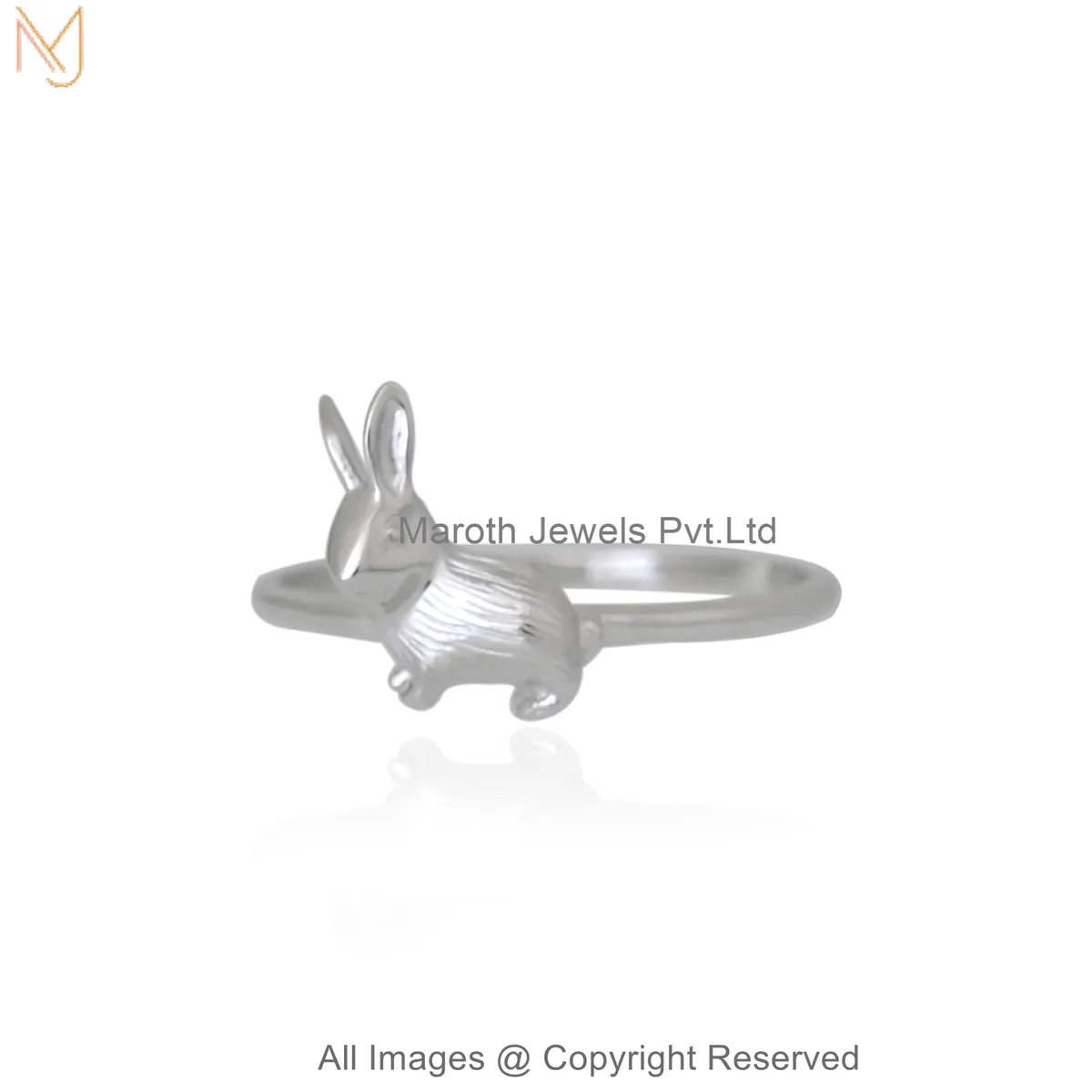
14K White Gold Minimal Rabbit Nature Inspired Bunny Animal Ring Manufacturer
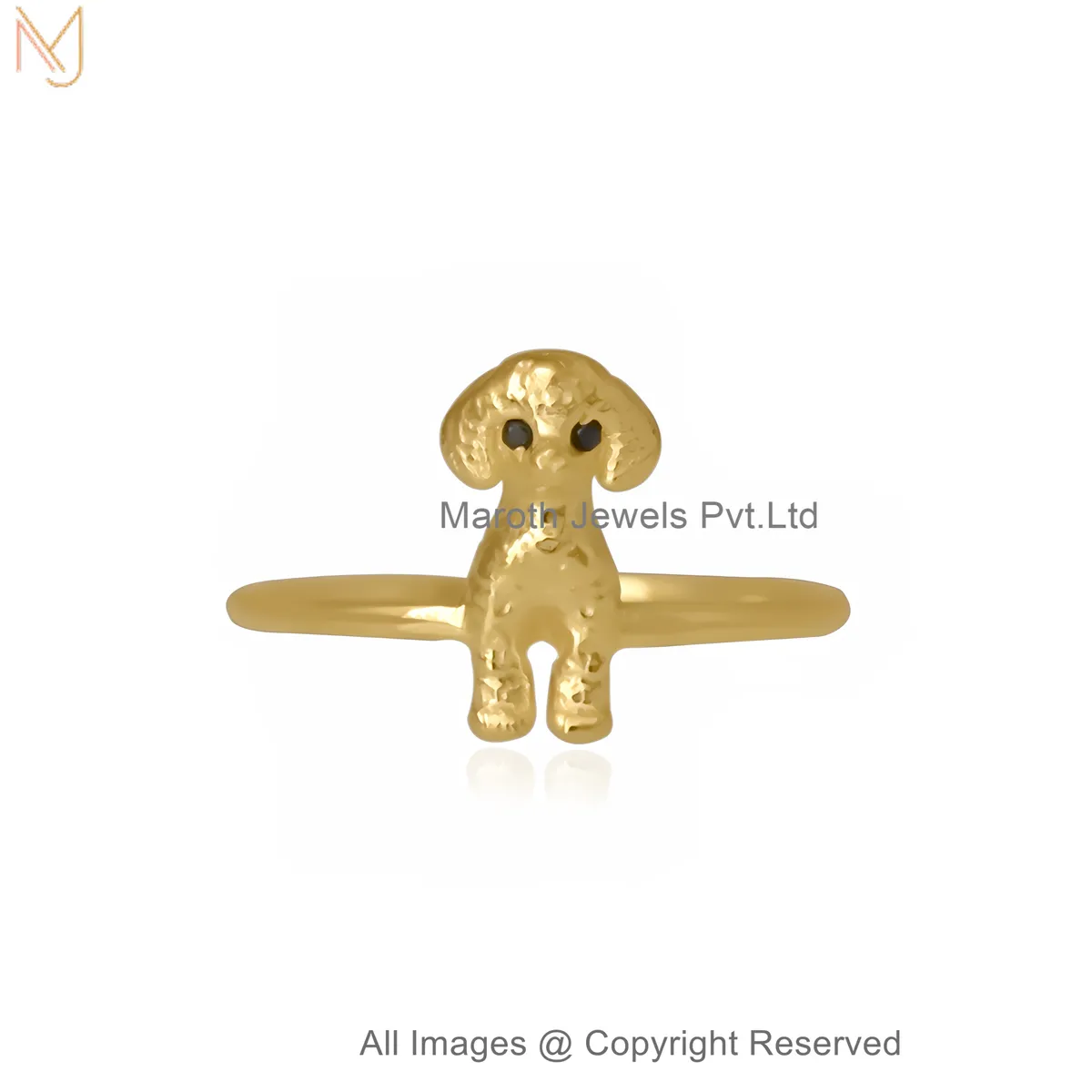
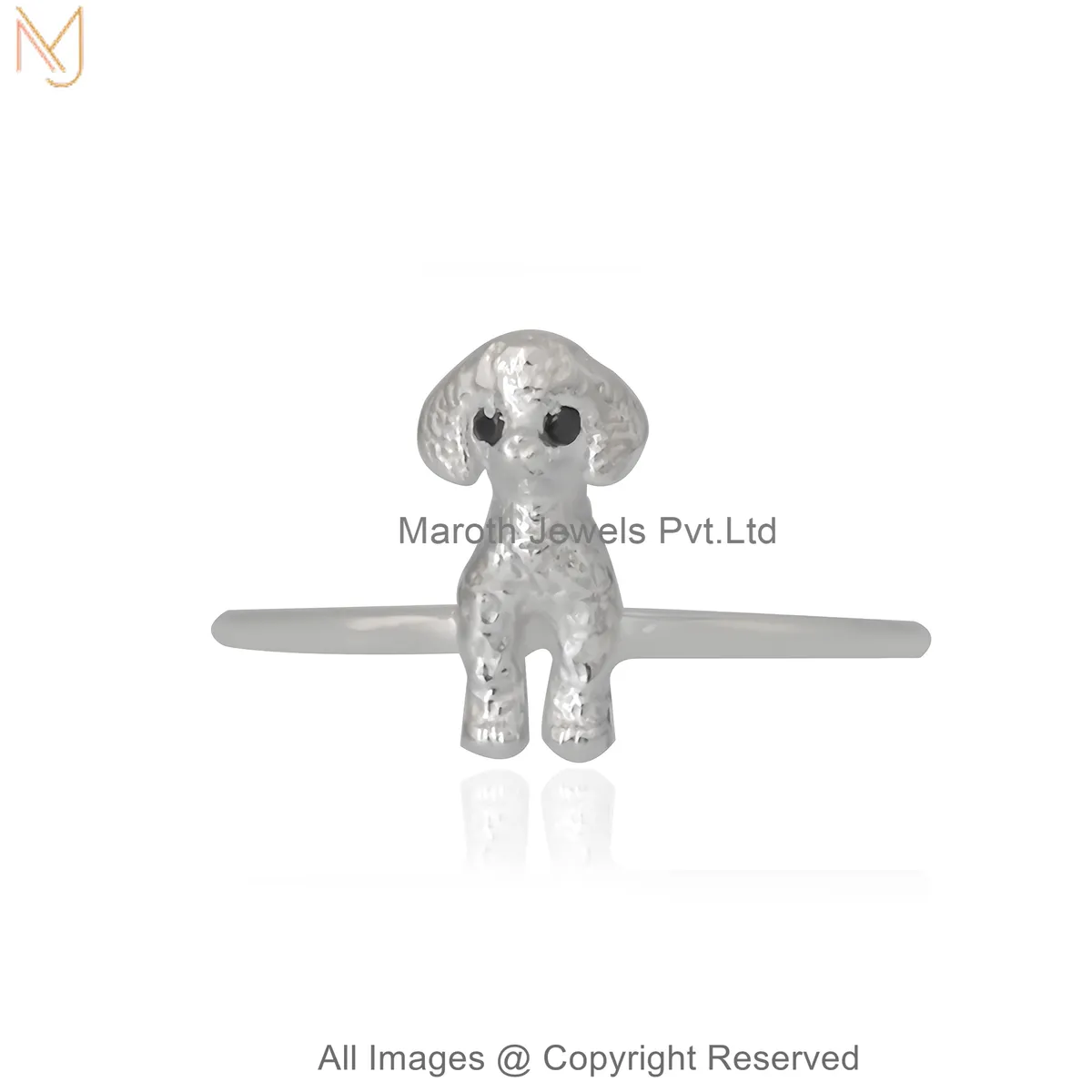
14K Yellow Gold Black CZ Velvet Poodle Minimalist Puppy Animal Ring Custom Jewelry
 -65%
-65%
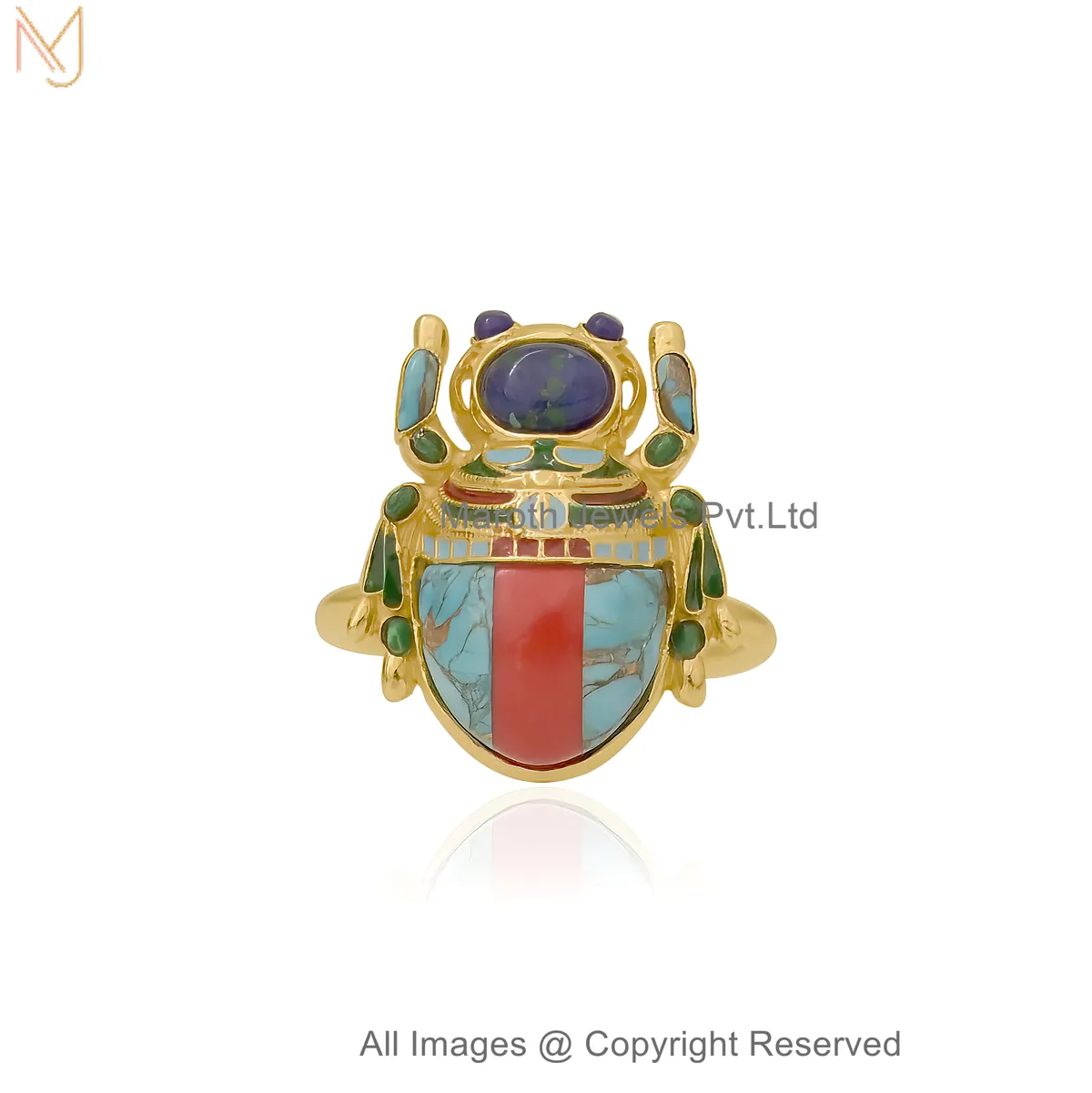
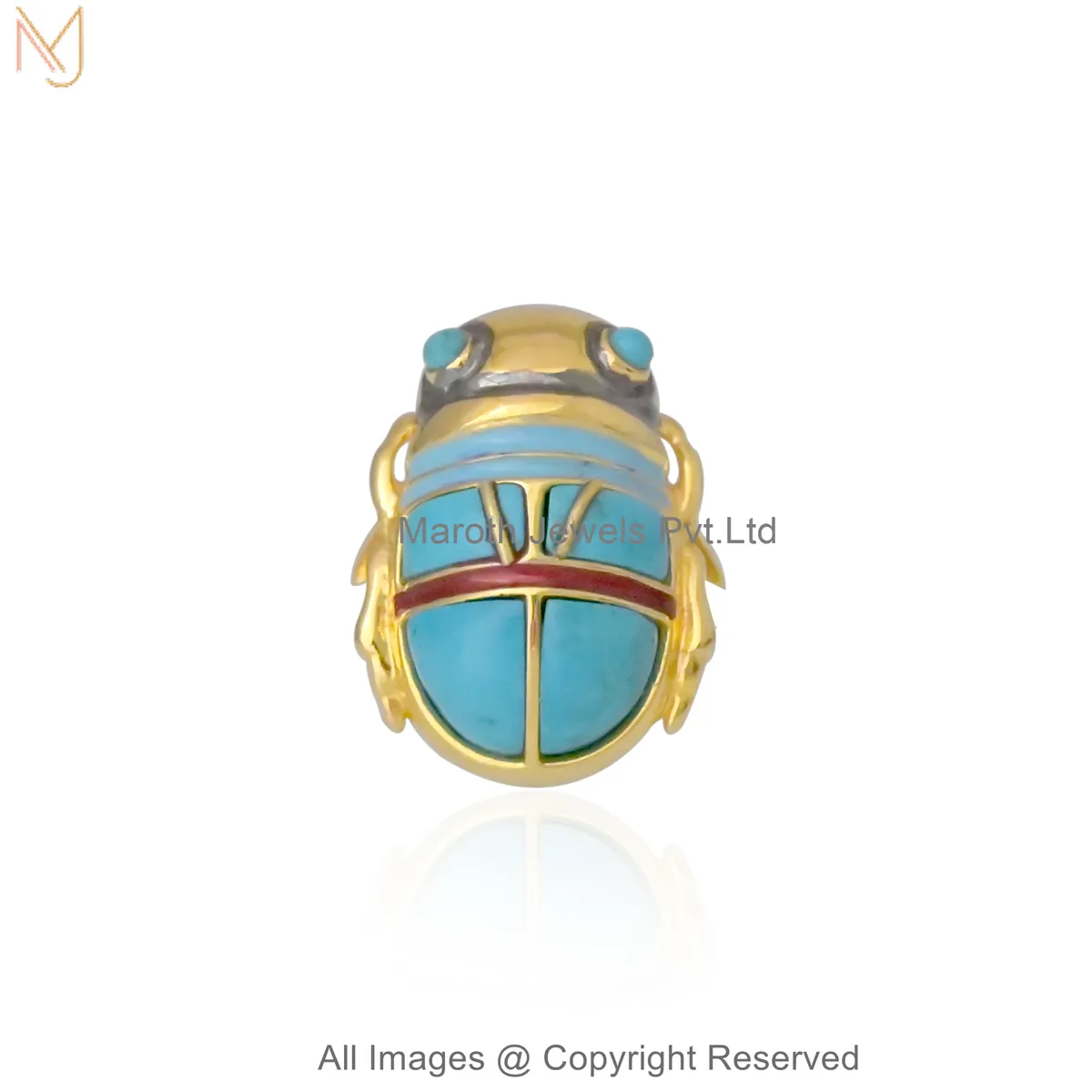
14K Yellow Gold Multi Enamel Gemstone Scarab Beetle Inspired Handmade Jewelry Supplier
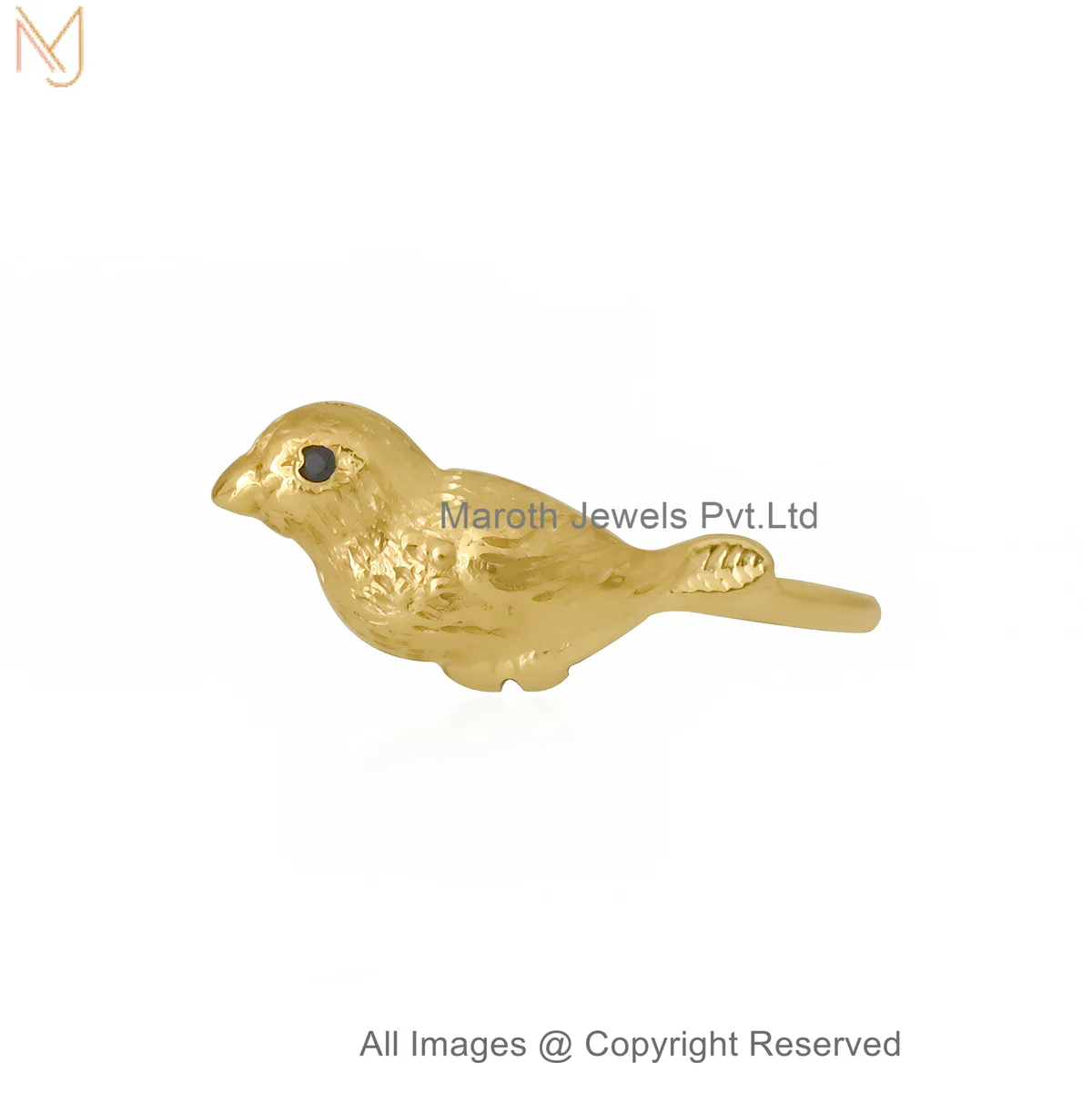
14K Yellow Gold Black CZ Bird Ring – Nature Inspired Statement Manufacturer
 -65%
-65%
14K White Gold Minimal Rabbit Nature Inspired Bunny Animal Ring Manufacturer
14K Yellow Gold Black CZ Velvet Poodle Minimalist Puppy Animal Ring Custom Jewelry
-65%
14K Yellow Gold Multi Enamel Gemstone Scarab Beetle Inspired Handmade Jewelry Supplier
14K Yellow Gold Black CZ Bird Ring – Nature Inspired Statement Manufacturer
Contact Us For Custom Jewelry
Please get in touch with us and share your ideas if you have personalized jewelry or are searching for a private label jewelry manufacturer. In accordance with your suggestions, we will make and present genuine jewelry.
B2B Jewelry Manufacturer for Global Brands
Share your design, metal, plating, gemstone, and quantity requirements for a custom manufacturing quotation. We work in sterling silver and solid gold, including precious, semi-precious, lab diamond, and genuine diamond jewelry.